Provider credentialing documents are the foundation of a smooth enrollment and approval process. For practice managers and healthcare administrators, managing provider credentialing documents directly impacts compliance, provider onboarding, and revenue cycle management.
Credentialing is how insurance companies, hospitals, and healthcare organizations verify a provider’s qualifications. When documents are complete and accurate, providers can start seeing patients and billing quickly. When they are not, delays and revenue loss follow.
Essential Provider Credentialing Documents You Need
Gathering the correct documents is the most important step in credentialing. Missing or incorrect information is one of the biggest causes of delays.
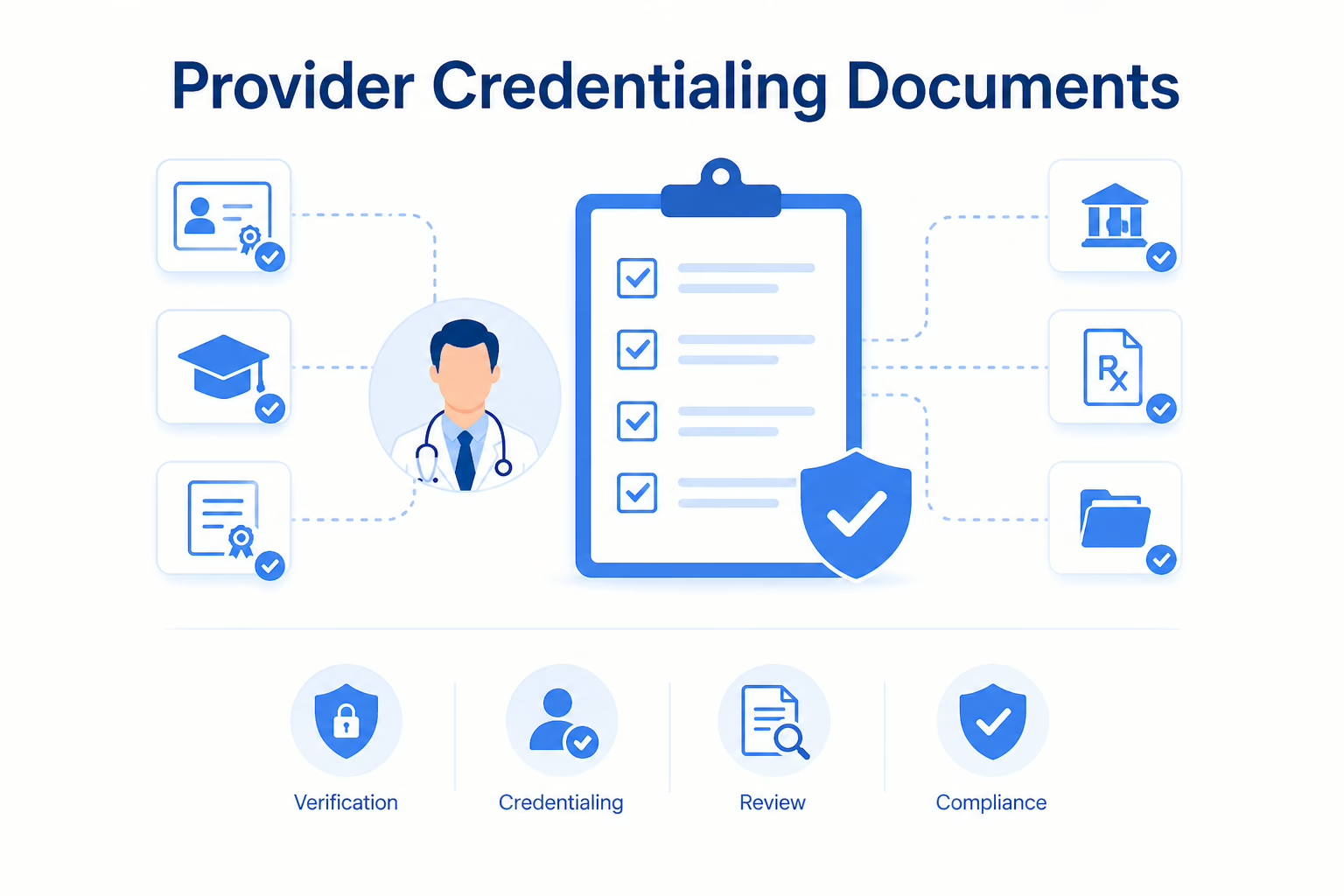
Here are the key provider credentialing documents required by most payers:
- Provider Identifiers:
NPI Confirmation Letter (from NPPES) and IRS EIN Letter to verify provider and business identity - Licenses & Certifications:
Active State License, DEA Certificate (if applicable), and Board Certification to validate specialty - Education & Professional History:
Degree or diploma and an updated CV in month/year format, including explanations for employment gaps over 30 days - Insurance & Liability:
Malpractice Insurance Certificate (COI) and malpractice claims history from NPDB or insurance carrier - Tax & Banking Information:
Completed W-9 form and a voided check or bank letter for payment setup - Other Key Documents:
Government-issued ID and digital signature for electronic submissions
To ensure nothing is missed, practices should also review a complete provider credentialing documents checklist before submission.
Additional Documents That May Be Required
Depending on the payer or facility, additional provider credentialing documents may be requested.
These include:
- Business license
- Updated and attested CAQH profile
- Medicare or Medicaid enrollment letter
- Professional references
- Immunization records (for facility credentialing)
- CPR, BLS, or ACLS certifications
Preparing these in advance helps prevent unnecessary delays.
Common Red Flags in Credentialing Applications
Even with all provider credentialing documents ready, small mistakes can delay or stop the process.
Payers carefully review applications and flag issues such as:
- Expired Documents:
Submitting expired licenses or insurance certificates immediately delays approval - Inconsistent Information:
Mismatched names across IRS, bank, and credentialing records can halt processing - Unexplained Employment Gaps:
Missing details in work history require additional verification - OIG Exclusions:
Providers listed on the OIG exclusion list are not eligible for federal program participation
Identifying these red flags early is critical to avoiding disruptions.
Scenario: Avoiding a Credentialing Delay
Imagine you’re managing a clinic onboarding a new provider who is ready to start seeing patients.
The application is submitted, but the payer flags two issues—a gap in employment history and an insurance certificate about to expire. These small oversights delay credentialing, preventing billing and impacting revenue.
With proper review of provider credentialing documents beforehand, these issues could have been resolved early.
Impact on Revenue Cycle Management
Provider credentialing documents play a direct role in revenue cycle performance.
Incomplete or inaccurate documentation delays provider enrollment, which delays billing and reimbursement. This increases accounts receivable and disrupts cash flow.
Practices that stay organized also focus on reducing payer enrollment delays to improve claim approvals and revenue flow.
Best Practices for Managing Credentialing Documents
To ensure a smooth credentialing process, healthcare organizations should:
- Maintain a centralized system for all provider documents
- Track expiration dates and renewal timelines
- Verify all data before submission
- Keep CAQH profiles updated and attested
- Conduct regular internal audits
These practices improve efficiency and reduce the risk of delays.
Stay Organized and Prevent Delays
Provider credentialing documents are essential for maintaining compliance, avoiding delays, and ensuring smooth provider onboarding. By staying organized and proactively addressing red flags, healthcare practices can streamline credentialing and protect their revenue cycle.
Credentialing doesn’t have to be overwhelming when managed correctly. If your practice needs expert support to manage provider credentialing documents and avoid costly delays, contact eClinicAssist today to get started.