Hiring a Nurse Practitioner (NP) is one of the fastest ways to grow a healthcare practice. However, outsourcing NP credentialing has become an important consideration because bringing a provider on board is only the first step. Before an NP can see insured patients and generate revenue, they must complete healthcare credentialing and provider enrollment with multiple insurance companies.
For practice managers, clinic owners, and healthcare administrators, this process often becomes an unexpected bottleneck. Delays in credentialing slow revenue cycle management, increase administrative workload, and postpone reimbursements that your practice depends on.
Why NP Credentialing Takes Longer Than Expected
Many healthcare organizations assume credentialing is simply a matter of submitting paperwork. In reality, every insurance payer has its own enrollment process, documentation requirements, review timelines, and approval standards.
Applications are reviewed by multiple departments, additional documents are often requested, and even minor errors can delay approvals for weeks. As practices continue hiring providers and expanding services, these delays quickly become an operational challenge.
A Small Delay Can Create a Big Revenue Problem
Imagine your clinic hires an experienced Nurse Practitioner to reduce patient wait times and support practice growth. The provider’s schedule fills quickly, but a commercial payer rejects the credentialing application because an outdated collaborative practice agreement was submitted, forcing the entire review process to start again.
Although the provider is seeing patients, claims cannot be billed correctly. Revenue slows, administrative work increases, and the practice continues covering salary and overhead without timely reimbursement. This type of credentialing delay affects more practices than many realize.
1. Credentialing Has Become More Complex
Provider enrollment today involves much more than submitting a medical license and waiting for approval. Every payer has different requirements, timelines, and documentation standards, while a complete NP credentialing file includes license verification, DEA registration, board certification, malpractice insurance, CAQH maintenance, NPI validation, and payer-specific enrollment applications. Even a small mistake can delay approval and postpone reimbursement.
2. State Regulations Continue to Change
Credentialing requirements vary from state to state. Scope-of-practice laws, collaborative physician agreements, prescribing authority, and Medicaid enrollment rules can all affect the approval process, so practices expanding into multiple states should review local requirements carefully to prevent compliance issues and unnecessary payer delays.
3. Internal Teams Already Have Full-Time Responsibilities
Most office managers already manage scheduling, billing, insurance verification, and daily operations. Adding provider credentialing to their workload can delay follow-ups, slow provider onboarding, and affect revenue, turning credentialing into another administrative burden instead of supporting practice growth.
4. Outsourcing Improves Turnaround Times
One of the biggest benefits of outsourcing NP credentialing is faster provider enrollment. Dedicated credentialing specialists understand payer requirements, monitor application status, identify missing information early, and follow up consistently, helping providers become billable sooner while reducing unnecessary resubmissions.
Related reading: Provider Credentialing Process: Steps to Avoid Delays
5. Better Compliance and Deadline Management
Credentialing doesn’t end once a provider is approved. Licenses expire, CAQH profiles require regular re-attestation, and insurance companies periodically require recredentialing, so proactive deadline tracking helps practices maintain continuous network participation and avoid unexpected reimbursement interruptions.
6. Your Staff Can Focus on Higher-Value Work
Every hour spent following up with insurance companies is an hour taken away from patient care and practice operations. By outsourcing provider credentialing, office managers and billing teams can spend more time on scheduling, insurance verification, claim follow-up, denial management, and delivering a better patient experience.
7. Fewer Errors Mean Fewer Delays
Credentialing delays are often caused by simple administrative mistakes such as missing signatures, outdated malpractice insurance, incomplete employment history, or incorrect provider information. Experienced credentialing specialists review every application before submission, reducing rework, shortening approval timelines, and helping providers start billing sooner.
In-House vs. Outsourced Credentialing
Many practices assume handling credentialing internally saves money. However, the hidden costs often outweigh the savings.
| Operational Area | In-House Credentialing | Outsourced Credentialing |
|---|---|---|
| Processing Time | Often 90–120+ days | Typically 45–75 days |
| Staff Workload | Added to existing responsibilities | Managed by dedicated specialists |
| Compliance Tracking | Manual monitoring | Continuous monitoring |
| Risk of Delays | Higher due to competing priorities | Lower with structured workflows |
| Revenue Impact | Delayed provider billing | Faster reimbursement opportunities |
While every practice is different, outsourcing often creates a more predictable and efficient credentialing process.
A Simple Transition to Outsourced Credentialing
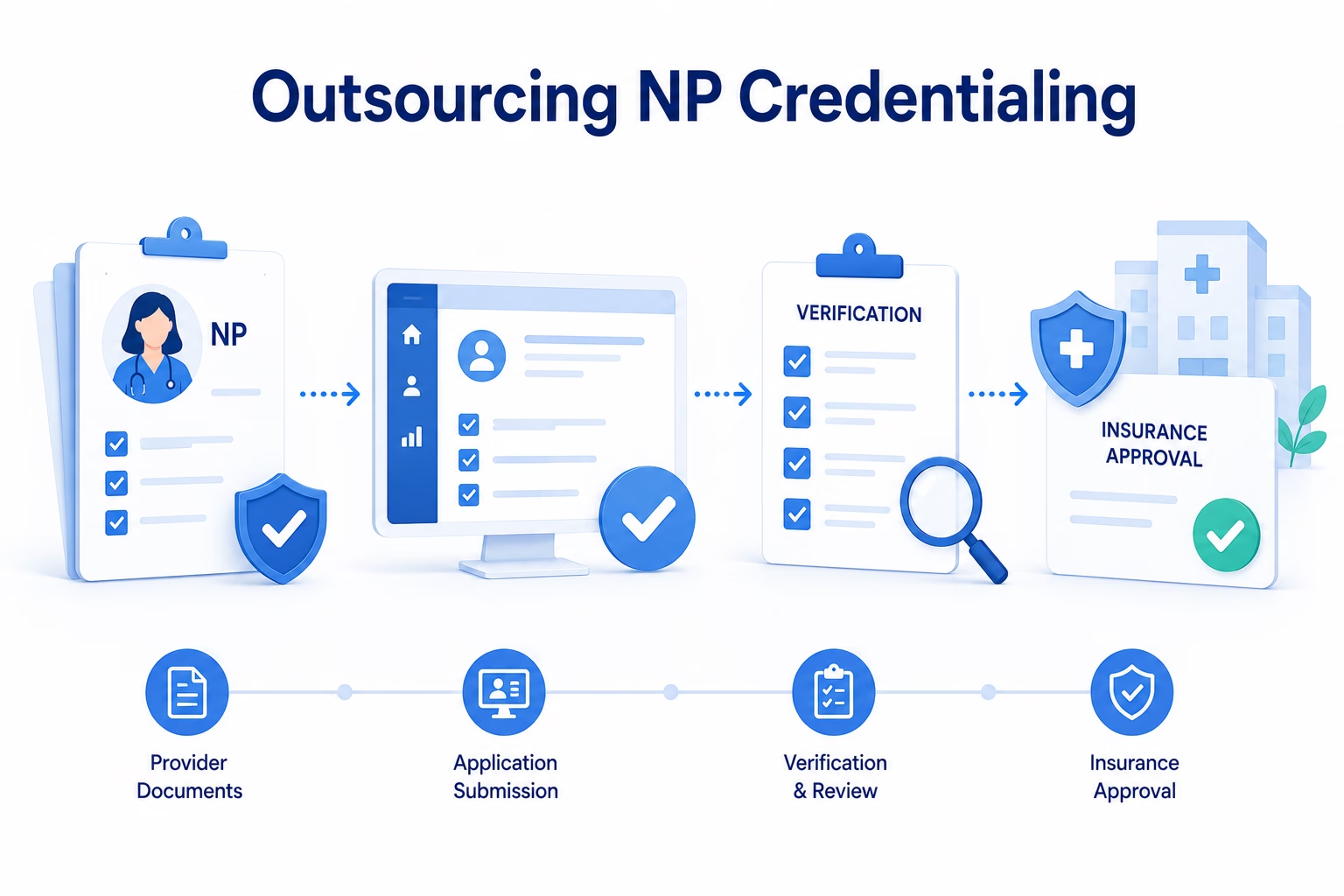
Moving credentialing to an external partner is usually easier than many practices expect. The process starts by organizing provider documents, identifying priority insurance payers, and reviewing existing enrollment status.
Once the transition begins, credentialing specialists prepare applications, communicate directly with payers, monitor progress, and provide regular updates. Instead of wondering where an application stands, practices receive clear visibility throughout the entire enrollment process.
Related reading: Payer Enrollment Delays: How to Speed Up Approval
Not every healthcare practice has the resources to build an internal credentialing department. As payer requirements continue to evolve, outsourcing has become a practical solution for practices that want to reduce administrative workload without sacrificing compliance.
Whether you’re hiring your first Nurse Practitioner or expanding across multiple locations, a structured credentialing process helps providers become billable faster while protecting long-term revenue.
Final Thoughts
Outsourcing NP credentialing allows healthcare practices to reduce payer delays, strengthen healthcare compliance, and accelerate provider enrollment without overwhelming internal teams. A well-managed credentialing process also supports cleaner medical billing workflows and a healthier revenue cycle.
If your practice is struggling with provider enrollment, insurance credentialing, or ongoing compliance management, eClinicAssist is here to help. Our team works with healthcare providers, practice managers, and clinic owners to simplify credentialing, reduce administrative burden, and keep your practice moving forward.