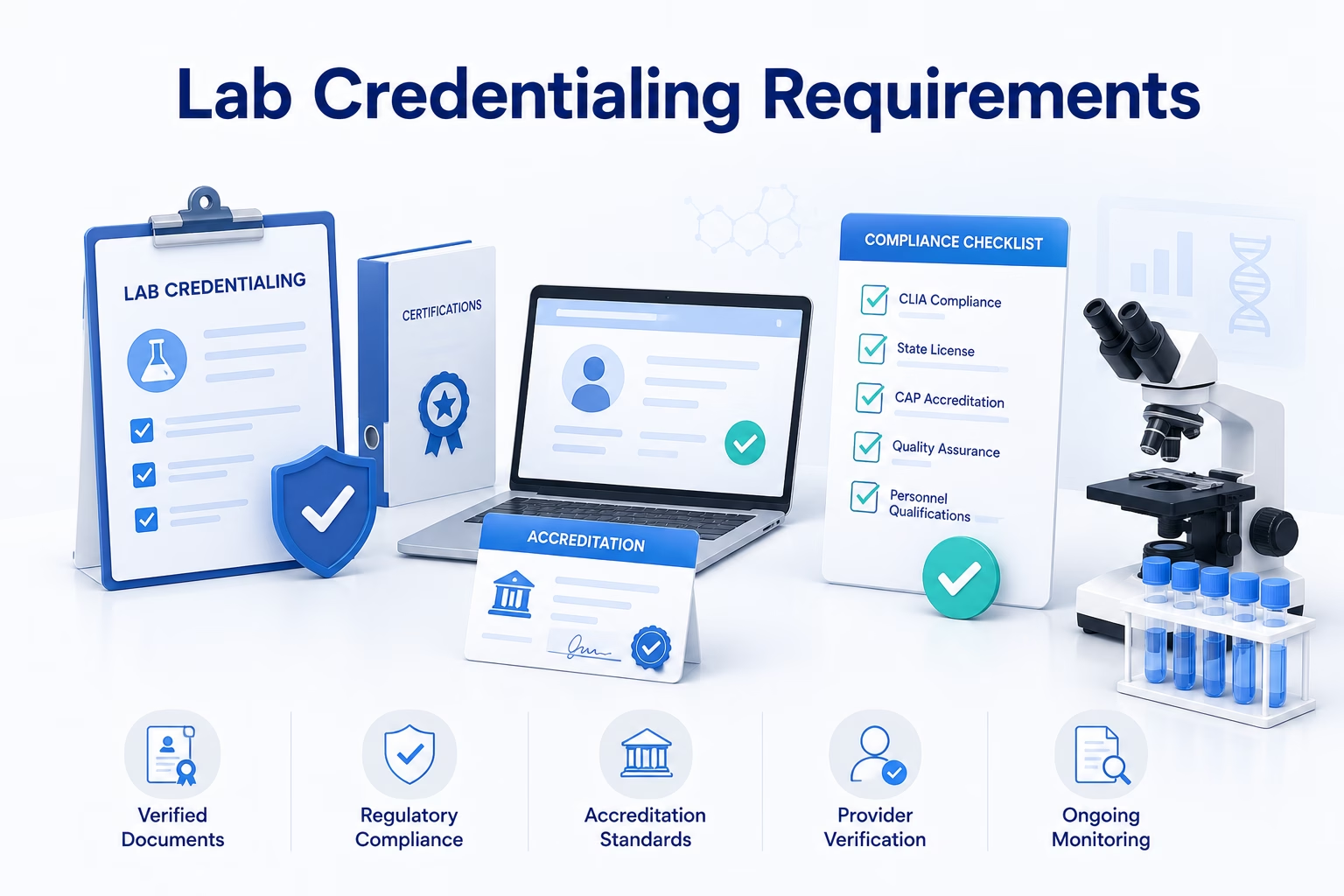
Laboratories play a critical role in patient care, but even the most advanced testing facility cannot operate successfully without proper credentials. Understanding lab credentialing requirements is essential for practice managers, laboratory owners, healthcare administrators, and providers who want to maintain compliance, secure reimbursement, and support long-term growth.
Today, credentialing is no longer just an administrative task. It directly impacts payer participation, revenue cycle management, healthcare compliance, and operational stability. Missing a credentialing deadline or overlooking a licensing requirement can quickly lead to payer delays, payment holds, or even the loss of billing privileges.
Why Lab Credentialing Requirements Matter
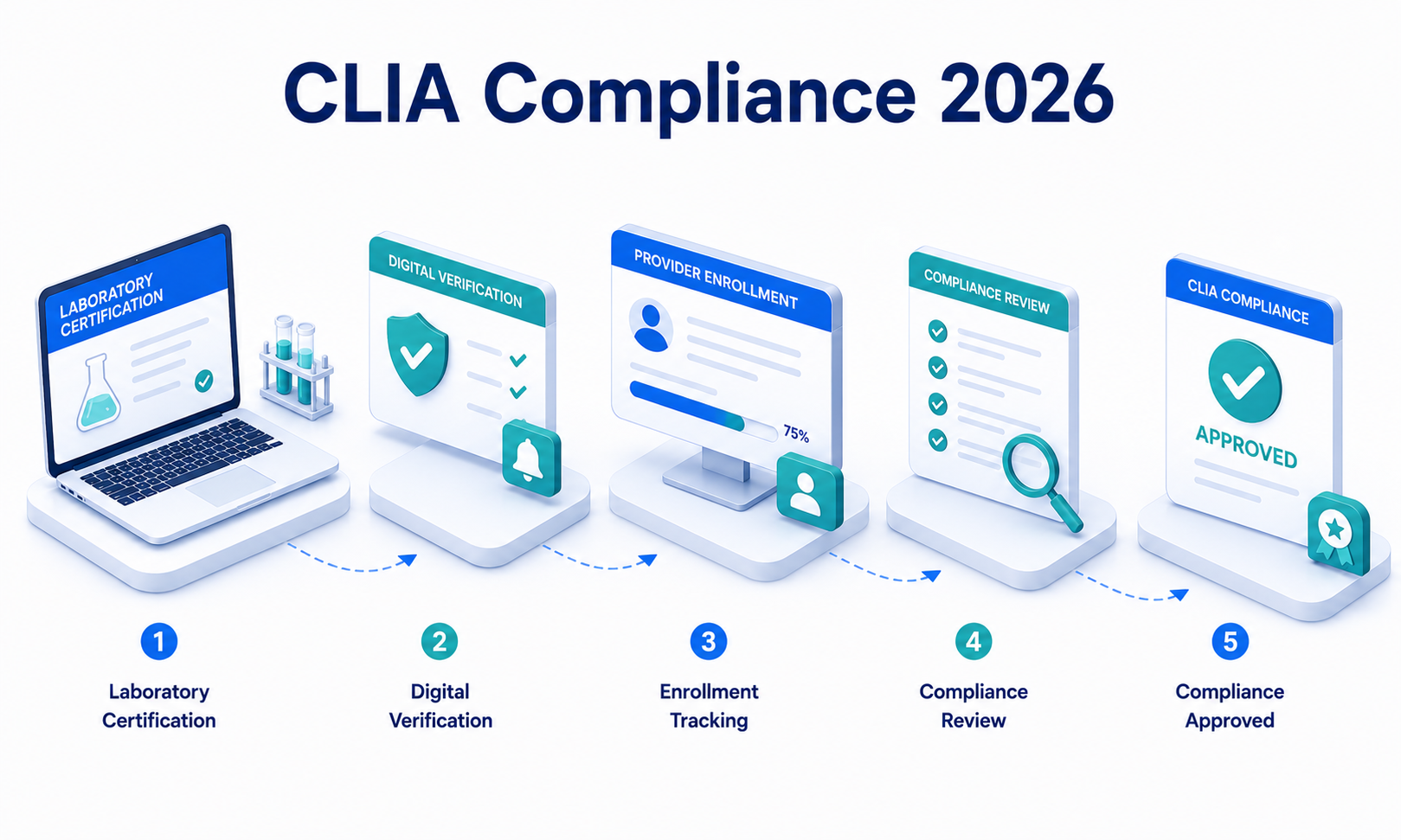
Lab credentialing is the process of verifying that a laboratory meets regulatory, operational, and payer standards required to perform testing and receive reimbursement. It serves as the foundation for insurance participation, Medicare enrollment, and long-term financial stability.
Without proper credentials, laboratories cannot effectively participate in insurance networks or maintain access to government healthcare programs. In many cases, credentialing issues are not discovered until claims begin denying, audits begin, or reimbursement is unexpectedly delayed.
1. Accreditation Establishes Credibility
Accreditation demonstrates that a laboratory meets recognized quality standards and follows accepted clinical practices. It provides assurance to payers, providers, and patients that testing processes are accurate, reliable, and compliant.
CLIA remains the foundation for laboratory operations, but many healthcare organizations and commercial payers also expect accreditation from organizations such as CAP or The Joint Commission. Laboratories specializing in genomics, toxicology, or advanced pathology often face additional accreditation requirements. Failure to maintain these standards can lead to payer contract issues, credentialing delays, and reduced testing volume.
2. Licensing Creates the Legal Foundation
Every laboratory must maintain the appropriate federal and state licenses before performing billable testing services. The CLIA certificate must accurately match the complexity level of testing being performed, as any mismatch can create immediate compliance concerns.
State requirements often add another layer of complexity. States such as California and New York maintain independent licensing standards that laboratories must satisfy before processing specimens. Many organizations discover licensing gaps only after expanding services, opening new locations, or accepting out-of-state samples.
3. Personnel Credentialing Matters More Than Ever
Modern credentialing reviews extend beyond equipment and facilities. Payers and accreditation organizations want assurance that laboratory personnel have the education, training, and certifications required for their responsibilities.
Medical directors, pathologists, laboratory scientists, and technical supervisors should undergo regular credential verification. Organizations should also monitor certification renewal dates and continuing education requirements. As AI-assisted diagnostic tools become more common, laboratories are increasingly expected to demonstrate staff competency in overseeing these technologies.
4. Regulatory Compliance Protects Revenue
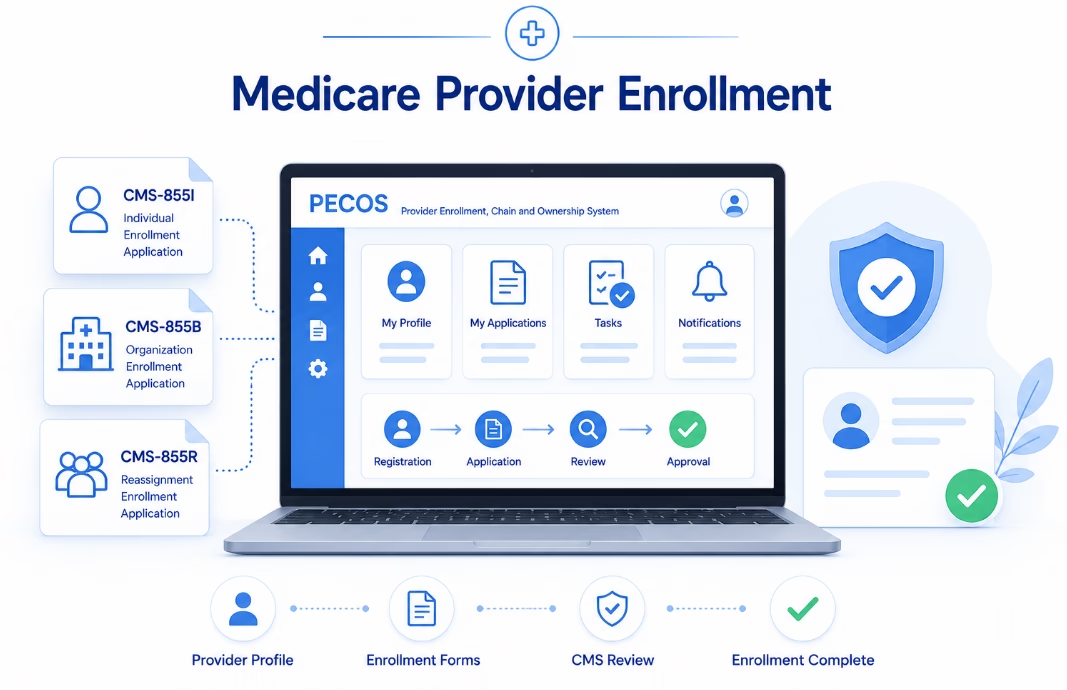
Healthcare compliance remains one of the most important components of successful laboratory operations. Credentialing reviews often include Medicare enrollment, ownership disclosures, HIPAA compliance, and cybersecurity safeguards.
Compliance issues rarely remain isolated. A single enrollment discrepancy or documentation issue can trigger payer delays, audits, or reimbursement interruptions. Laboratories that proactively monitor compliance requirements are generally better positioned to avoid costly operational disruptions.
Related reading: PECOS Provider Enrollment Complete Guide
5. Quality Control and Quality Assurance Remain Critical
Quality programs support both patient safety and credentialing success. Strong quality control processes help laboratories identify errors early while demonstrating compliance during inspections and audits.
Proficiency testing remains one of the most heavily scrutinized areas during laboratory reviews. Poor performance can place CLIA certification at risk and create serious operational consequences. Successful laboratories monitor quality indicators continuously rather than waiting for annual inspections or external reviews.
6. Payer Enrollment Drives Revenue
Even the most advanced laboratory cannot generate sustainable revenue without successful payer enrollment. Insurance enrollment allows laboratories to participate in payer networks and receive reimbursement for testing services.
Enrollment delays often create significant financial pressure. Claims may remain unpaid, patient access may be restricted, and administrative teams may spend months resolving avoidable issues.
Related reading: Payer Enrollment Delays: How to Speed Up Approval
7. Facility and Equipment Standards Support Compliance
Credentialing reviews frequently extend beyond documentation and include evaluations of the laboratory environment itself. Inspectors often review equipment maintenance records, calibration logs, service reports, and facility safety standards.
Missing documentation can create concerns even when testing quality remains strong. Many laboratories now use digital maintenance tracking systems to improve audit readiness and simplify record management. This approach reduces administrative burden while improving compliance visibility.
8. Billing and Coding Accuracy Prevents Denials
Credentialing and billing operations are closely connected. Laboratories may have proper credentials, but reimbursement problems can still occur if coding and documentation standards are not maintained.
Incorrect CPT coding, missing physician orders, or incomplete medical necessity documentation can trigger claim denials and repayment requests. During payer audits, laboratories may be asked to provide supporting records for previously reimbursed claims. Strong billing practices help protect revenue while reducing administrative rework.
9. Technology and Integration Have Become Credentialing Factors
Laboratories no longer operate independently from the broader healthcare ecosystem. Payers and healthcare organizations increasingly expect secure data exchange, EHR integration, and timely communication of critical results.
Strong interoperability improves provider satisfaction and reduces workflow disruption. Laboratories that can demonstrate efficient data sharing and reliable system integration often gain advantages when pursuing payer contracts and referral relationships.
10. Recredentialing Never Stops
One of the biggest misconceptions about credentialing is that it ends after initial approval. In reality, credentialing is an ongoing process that requires continuous monitoring and maintenance.
Most payers require periodic recredentialing, while accreditation organizations conduct recurring reviews and inspections. Laboratories must also report major changes such as ownership transitions, facility relocations, and leadership updates. Missing these deadlines can result in payment holds, enrollment disruptions, or contract termination.
Practical Steps to Simplify Credentialing
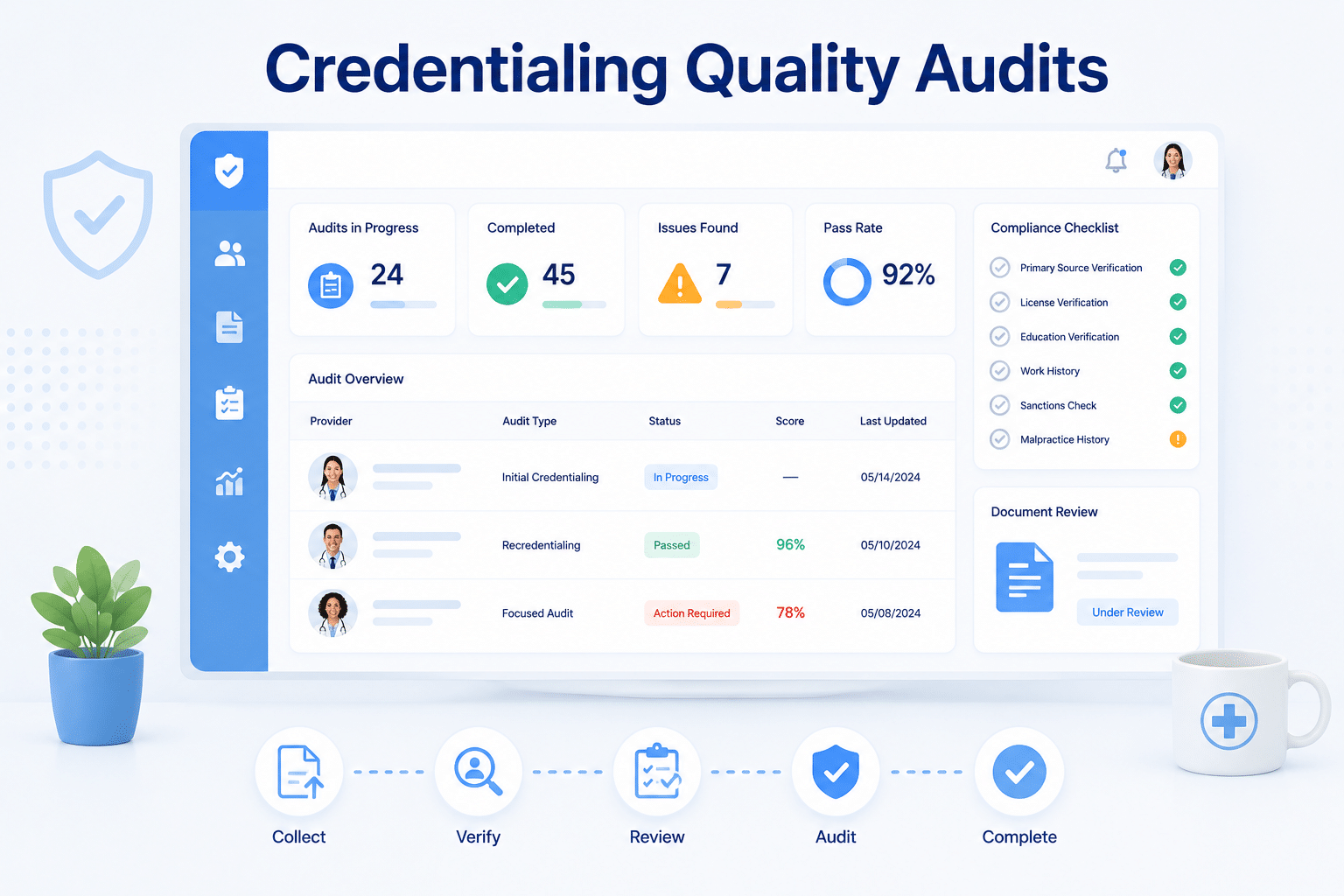
Successful laboratories take a proactive approach to credentialing management rather than reacting when problems arise. Centralized documentation, expiration tracking, internal audits, and routine compliance reviews help reduce risk and improve operational efficiency.
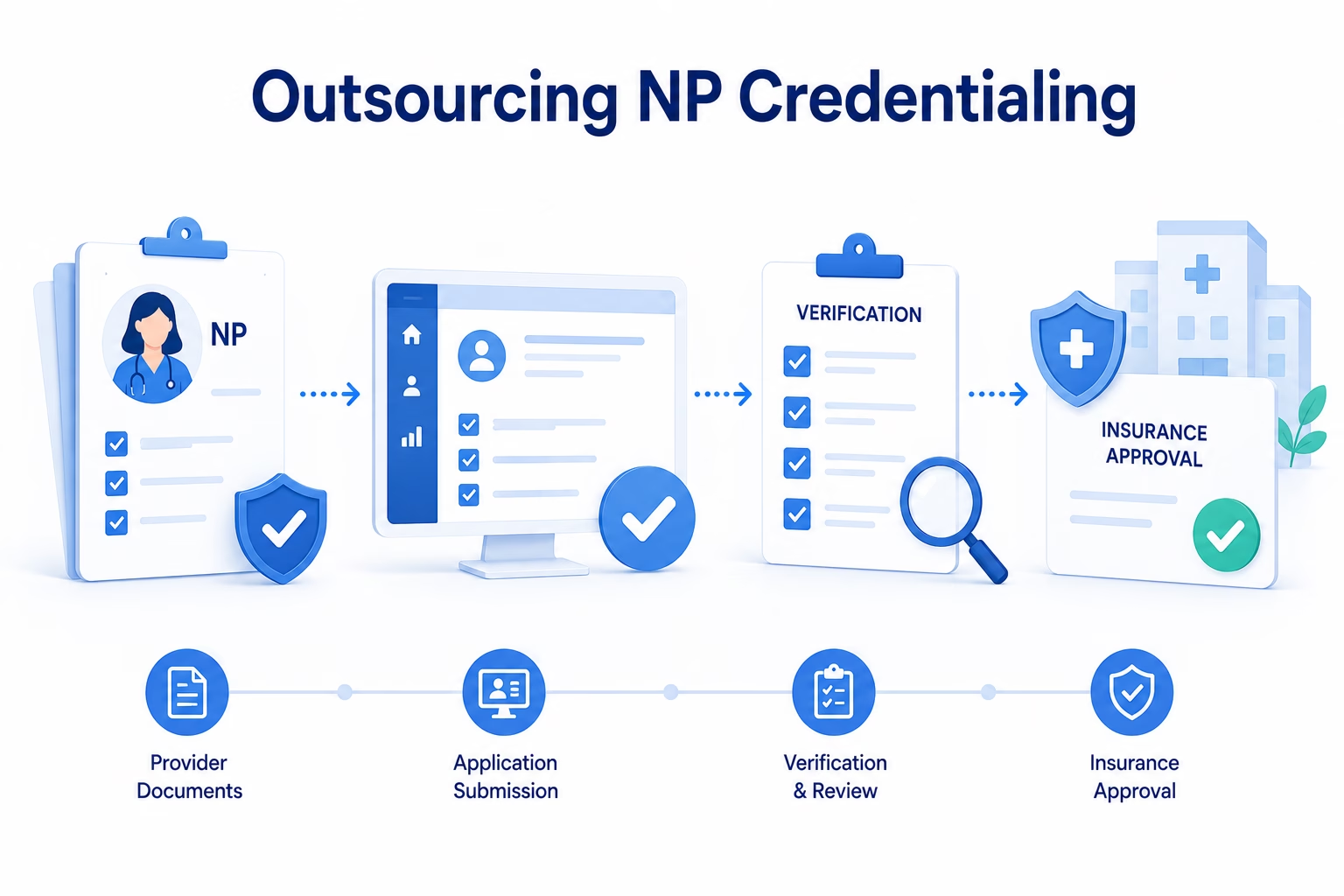
Many organizations also assign credentialing ownership to a dedicated team member or partner. This creates accountability and ensures critical deadlines are not missed. Small credentialing issues are far easier to resolve before they become reimbursement problems.
Building a Strong Credentialing Strategy
Meeting lab credentialing requirements is essential for maintaining compliance, protecting revenue, and supporting long-term laboratory growth. Accreditation, licensing, personnel qualifications, payer enrollment, and quality management all work together to create a strong operational foundation.
Organizations that actively manage lab credentialing requirements are better positioned to avoid payer delays, reduce compliance risks, and maintain consistent revenue cycle performance. If your laboratory needs support with credentialing, provider enrollment, payer contracting, or compliance management, eClinicAssist can help streamline the process and reduce administrative burden.
Contact eClinicAssist today to strengthen your credentialing strategy and keep your laboratory operating with confidence.