
Physician assistant credentialing is essential for onboarding PAs and ensuring compliance across healthcare organizations. Without proper physician assistant credentialing, practices face delays, limited provider access, and disruptions in revenue cycle management.
For practice managers and healthcare administrators, this process directly impacts provider enrollment, medical billing workflows, and patient care delivery.
Why Physician Assistant Credentialing Matters
Physician Assistants are highly adaptable providers who support multiple specialties. However, they cannot practice independently without completing credentialing and licensing requirements. A delayed credentialing process can prevent PAs from seeing patients and billing insurance. This results in lost revenue and increased administrative pressure.
Efficient credentialing ensures faster onboarding, improved compliance, and uninterrupted care delivery.
Step-by-Step: Physician Assistant Credentialing Process
1. Education and National Certification
PAs must complete an accredited program and pass the PANCE exam. This validates their clinical knowledge and readiness to practice.
They must also maintain certification through continuing medical education to stay updated with industry standards.
2. State Licensure and Compliance
Each state has specific licensing requirements that must be met before a PA can practice. This includes submitting applications, background checks, and verification of credentials.
Any delays in licensing will automatically delay credentialing and provider enrollment.
3. Credentialing and Verification
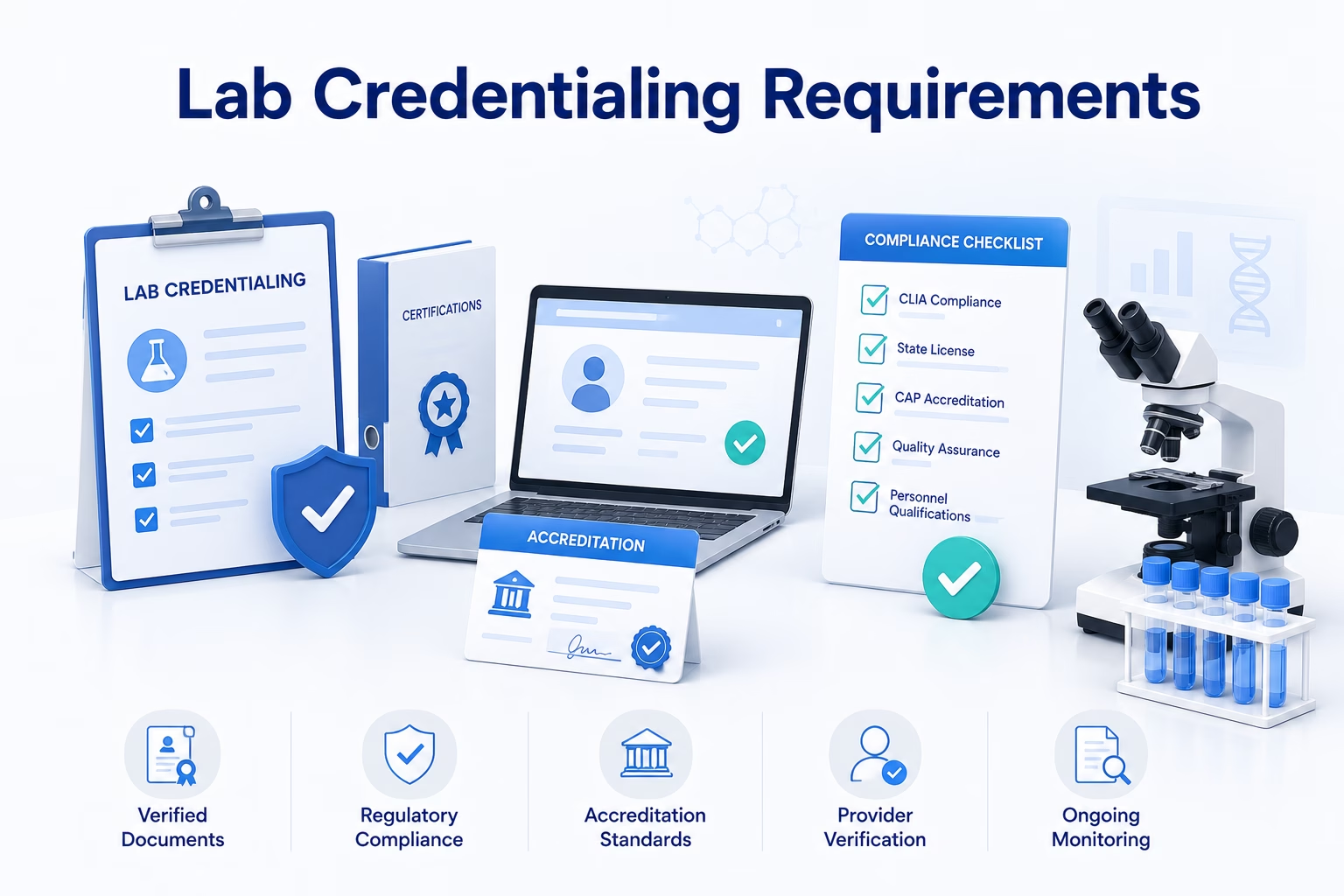
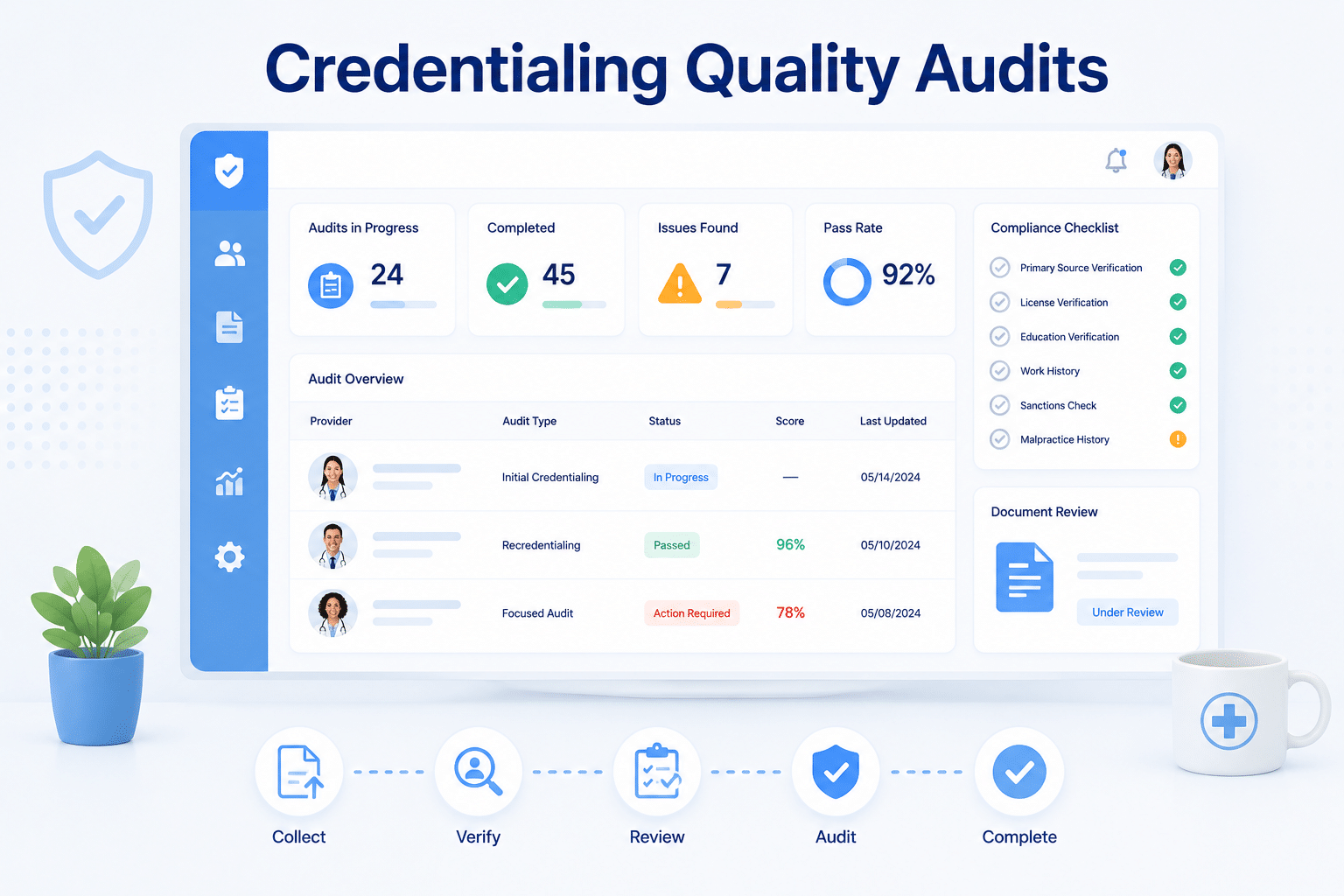
Healthcare organizations verify education, training, work history, and certifications. This step ensures that the PA meets all clinical and compliance standards.
Accurate documentation is critical here. To avoid delays, it’s important to understand how provider credentialing documents impact approvals and compliance.
4. Hospital Privileges Approval
Hospitals and facilities evaluate whether a PA can perform specific procedures. This includes peer review and committee evaluation.
Privileges define what the PA is allowed to do within the facility, ensuring patient safety and quality care.
5. Enrollment and Billing Setup
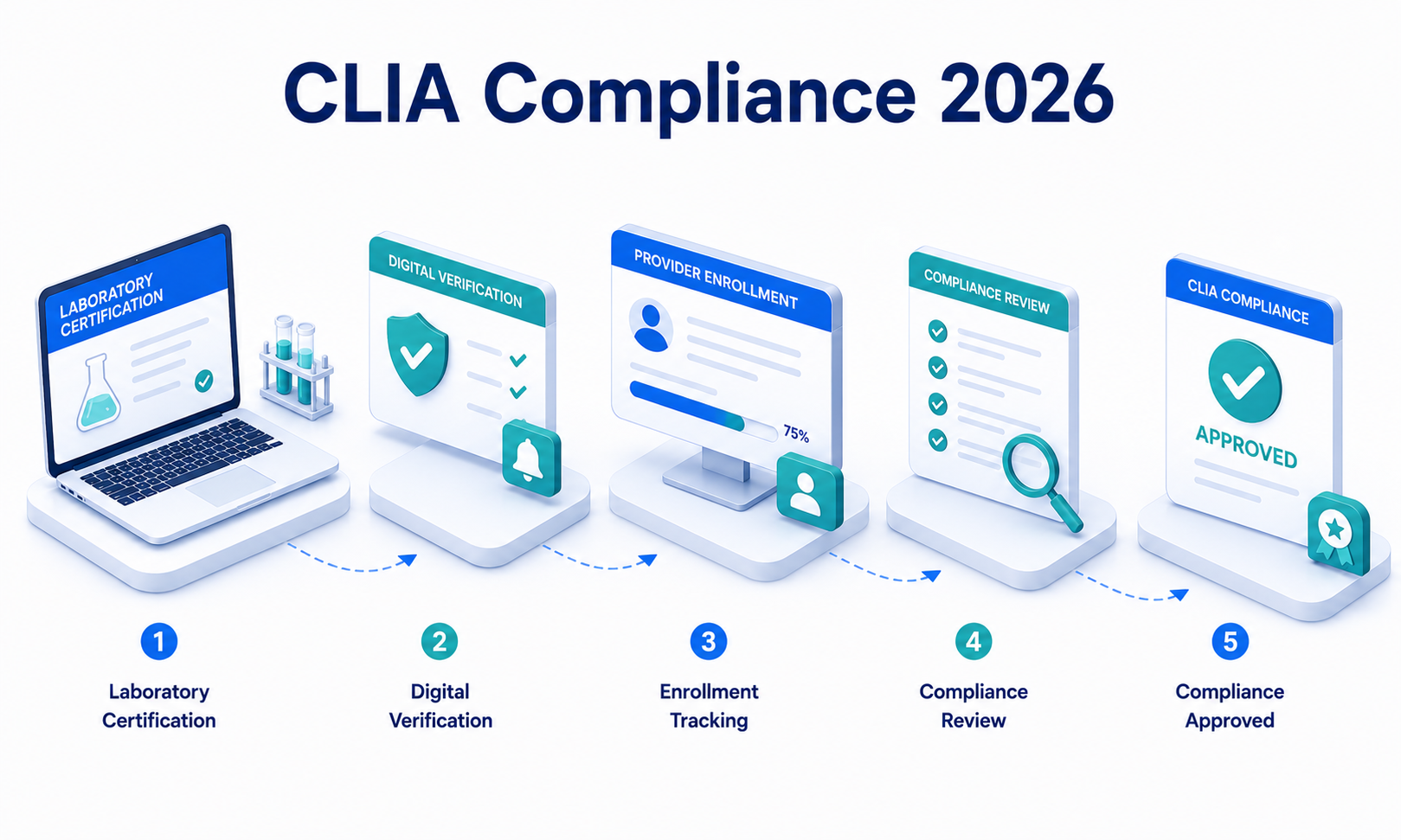
Once credentialed, PAs must complete provider enrollment with insurance payers. This allows them to bill for services and generate revenue.
Without enrollment, even fully credentialed PAs cannot receive reimbursement.
Challenges in Physician Assistant Credentialing
Credentialing for PAs can be complex due to varying state requirements and strict verification processes. The process often takes 90–120 days, delaying provider onboarding and impacting staffing efficiency.
Incomplete documentation or inconsistent data can lead to application rejections and extended approval timelines. These delays affect not only operations but also revenue cycle performance.
How Credentialing Delays Impact Revenue
When physician assistant credentialing is delayed, providers cannot begin seeing patients or billing insurance. This leads to lost revenue, increased accounts receivable, and disruptions in medical billing workflows.
Over time, these issues create pressure on administrative teams and reduce overall practice efficiency.
To prevent these challenges, it’s important to learn how to prevent credentialing delays and protect your revenue cycle.
Best Practices for Efficient PA Credentialing
Maintaining organized documentation is the first step toward faster approvals. Accurate and updated records reduce verification delays. Using credentialing software helps track applications, monitor deadlines, and automate follow-ups. This improves efficiency and reduces manual errors.
Strong coordination between credentialing, compliance, and billing teams ensures smooth workflow alignment. This minimizes delays and improves outcomes. Practices that implement structured processes experience faster onboarding and better financial performance.
Real-World Impact on Healthcare Practices
Imagine hiring a PA but facing delays in credentialing. Even though the provider is ready to work, they cannot see patients or bill insurance. This creates immediate revenue loss and affects patient scheduling. It also increases workload for existing staff.
In another case, incomplete documentation can delay approvals for weeks. This disrupts operations and impacts patient access to care. Both scenarios highlight the importance of proactive credentialing management.
Streamline Physician Assistant Credentialing
Physician assistant credentialing is critical for ensuring compliance, improving onboarding, and maintaining a stable revenue cycle. Without efficient physician assistant credentialing, practices risk delays, lost revenue, and operational inefficiencies.By maintaining accurate documentation, aligning workflows, and tracking deadlines, healthcare organizations can streamline the credentialing process and improve performance.
If your practice needs help managing physician assistant credentialing, eClinicAssist offers expert support to simplify the process and accelerate approvals. Contact us today to optimize your operations and protect your revenue.