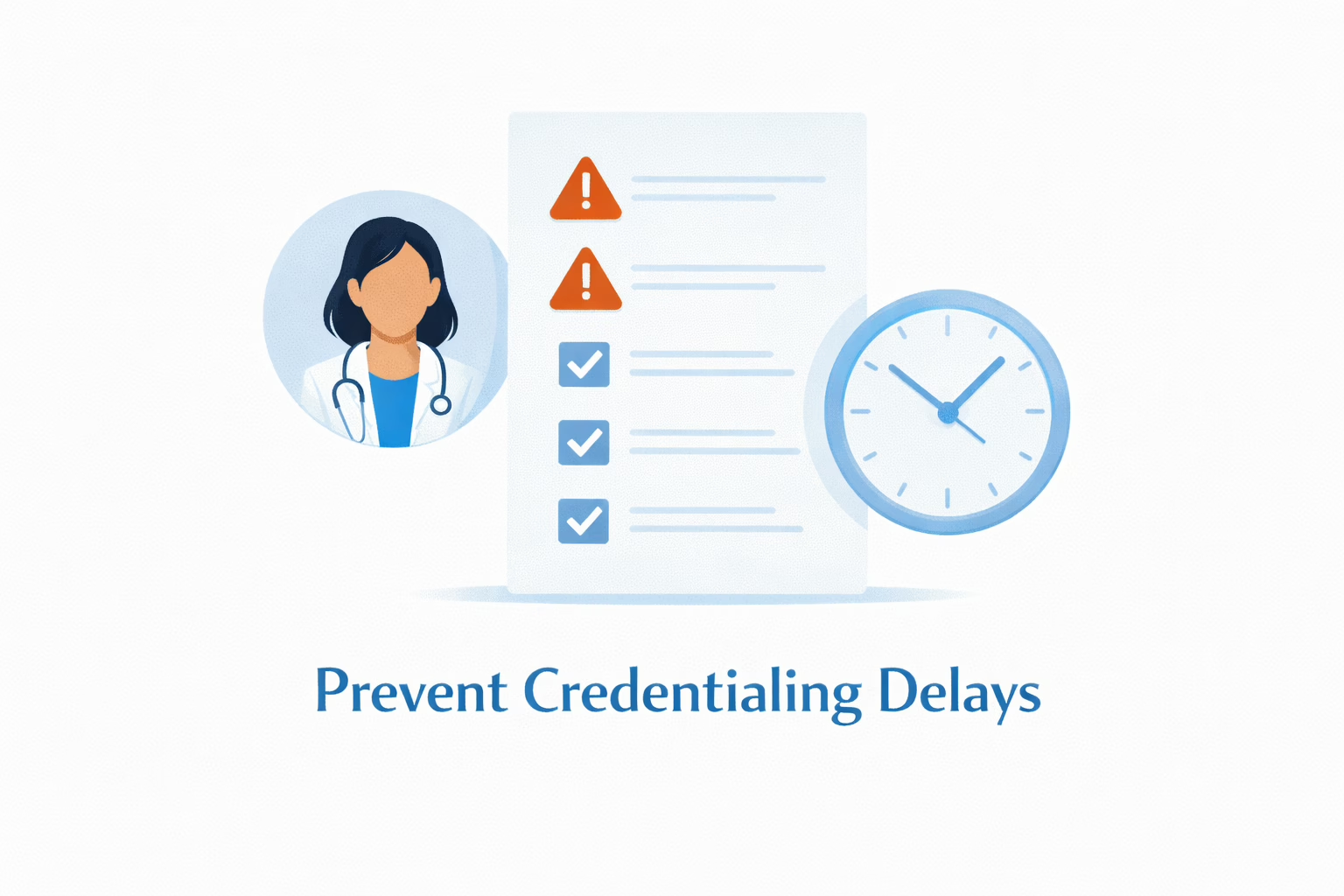
Credentialing delays in healthcare do more than slow operations—they directly impact your bottom line. To prevent credentialing delays, practices must adopt a proactive and structured approach that eliminates errors before submission.
For practice managers, healthcare providers, and billing teams, even small mistakes can delay provider enrollment, disrupt medical billing workflows, and create significant revenue loss.
Why Delays Are So Costly for Healthcare Practices
Every day a provider is not credentialed is a day your practice cannot bill for services. This results in lost revenue, increased administrative burden, and delayed patient access. Most credentialing delays are not caused by payers alone—they are often the result of preventable internal errors.
Understanding these risks allows practices to shift from reactive fixes to proactive prevention.
Common Causes That Slow Down Approvals
Credentialing applications are highly sensitive to even minor errors. Missing a single document or submitting inconsistent data can push your application back by weeks.
In many cases, delays occur because of poor documentation practices. Understanding how provider credentialing documents impact application accuracy and approvals is critical to avoiding these issues.
Step-by-Step: How to Prevent Credentialing Delays
1. Submit Complete and Accurate Applications
Every application must be fully complete before submission. Even one missing signature, attachment, or incorrect date can result in rejection or silent delays.
2. Keep CAQH Profiles Updated and Active
CAQH is a central data source for most payers. If the profile is expired or not attested, applications may stall without notification.
3. Standardize Provider Information Across Systems
Ensure that provider names, NPIs, addresses, and credentials are consistent across all documents. Inconsistencies often trigger manual reviews and delays.
4. Verify Payer Panel Availability Before Applying
Submitting applications during closed panel periods can lead to automatic rejection. Always confirm whether the payer is accepting new providers.
5. Align Individual and Group Credentialing Properly
For group practices, providers must be linked correctly to the group’s TIN and NPI. Missing this step prevents billing even after approval.
6. Use Updated Forms and Portals Only
Payers frequently update forms and submission portals. Using outdated versions can result in immediate rejection.
7. Follow Up Regularly After Submission
Credentialing does not end with submission. Weekly follow-ups help identify missing information early and prevent applications from being ignored.
The Role of Timing in Credentialing Success
Timing plays a major role in credentialing outcomes. Submitting applications during high-volume periods or payer slowdowns can extend timelines. Planning submissions strategically improves approval speed and reduces bottlenecks.
Practices that understand credentialing timelines can better manage expectations and avoid unnecessary delays.
How Delays Impact Revenue Cycle Management
Credentialing delays directly affect revenue cycle performance.
When providers are not credentialed:
- Claims cannot be submitted
- Payments are delayed or denied
- Cash flow becomes unstable
- Administrative workload increases
Over time, these issues can significantly limit growth and create operational inefficiencies.
Best Practices for Long-Term Credentialing Success
To prevent credentialing delays consistently, practices must build strong internal systems.
Focus on:
- Maintaining accurate and updated provider data
- Creating standardized workflows for submissions
- Assigning accountability for credentialing tasks
- Using tracking tools for deadlines and follow-ups
These practices reduce errors and improve approval timelines.
Moving from Reactive to Proactive Credentialing
Many practices operate reactively—fixing issues only after delays occur. However, the most successful organizations take a proactive approach by identifying risks early, maintaining accurate data, and continuously monitoring credentialing processes.
This shift improves efficiency, reduces denials, and protects revenue.
Take Control to Prevent Credentialing Delays
To prevent credentialing delays, healthcare practices must focus on accuracy, consistency, and proactive management. By implementing structured workflows and addressing common mistakes early, practices can reduce delays, improve provider enrollment timelines, and strengthen revenue cycle management.
If your practice is struggling with credentialing delays or payer bottlenecks, eClinicAssist provides expert support to streamline your credentialing process, ensure compliance, and accelerate approvals. Contact us today to protect your revenue and keep your operations running smoothly.