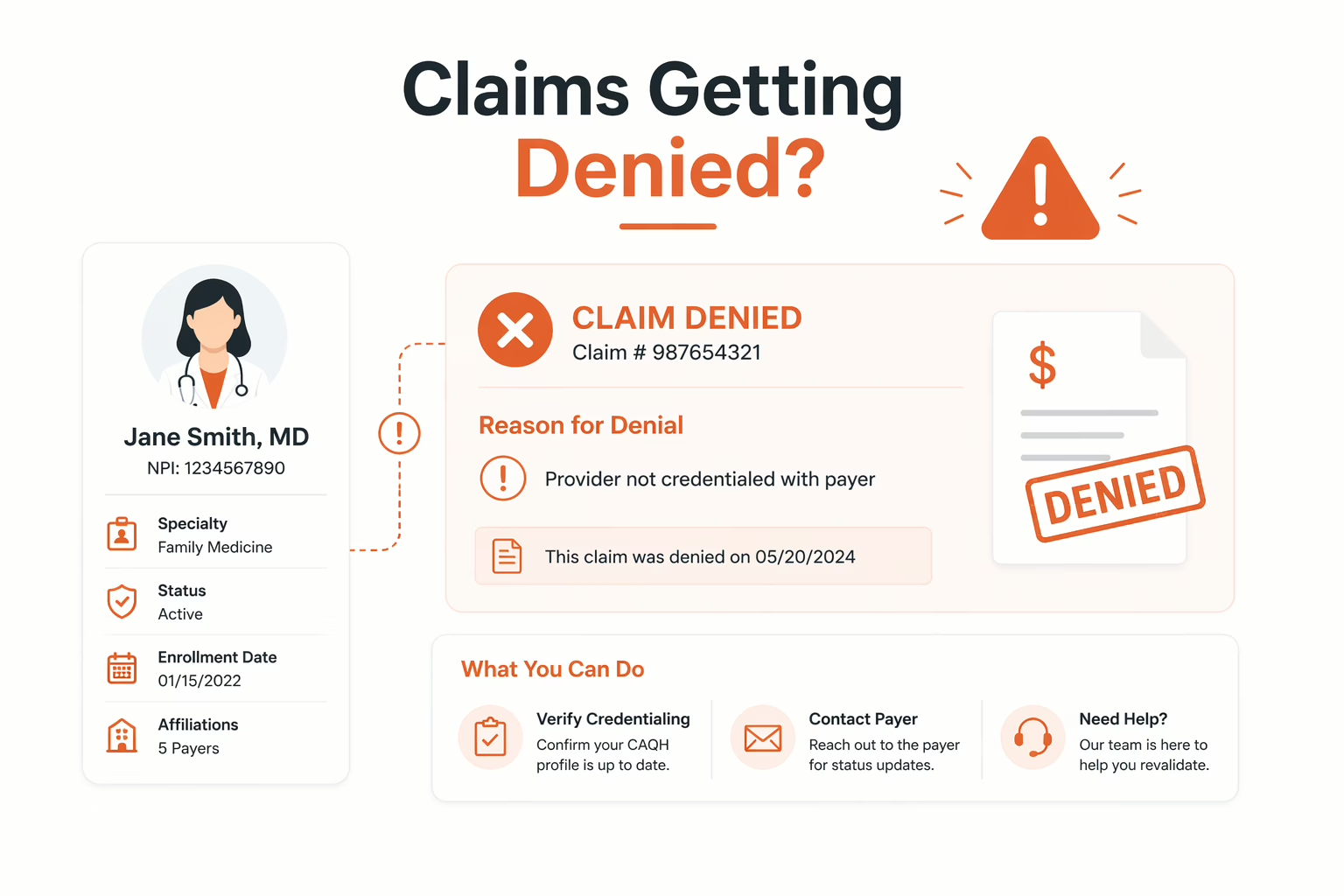
In-network claims getting denied is one of the most frustrating challenges healthcare practices face today. Even when everything appears correct, in-network claims getting denied can disrupt cash flow, delay reimbursements, and create operational stress.
For practice managers and billing teams, this issue is rarely just a billing problem. It often points to deeper gaps in healthcare credentialing and provider enrollment processes.
Why Being In-Network Isn’t Enough
Many practices assume that once they are in-network, payments will flow smoothly. However, payer systems rely on accurate, up-to-date credentialing data. Even minor discrepancies can trigger denials or delays.
This creates a disconnect where providers deliver care but cannot get reimbursed. Over time, this impacts revenue cycle management and increases administrative burden.
The Hidden Credentialing Issues Behind Claim Denials
1. Outdated Provider Information
Even small inconsistencies, such as an old address or incorrect NPI, can lead to claim rejection. Payers require exact matches between submitted claims and their system records.
Maintaining accurate records is essential, which is why practices should regularly review and keep provider credentialing documents updated and consistent across systems.
2. Missed Re-Credentialing Deadlines
Credentialing is not a one-time process. Providers must re-credential periodically to maintain active status. If a deadline is missed, providers may temporarily fall out of network. Claims submitted during this period are often denied.
3. Expired or Unrenewed Contracts
Payer contracts must be renewed on time to maintain in-network status. If contracts expire without renewal, providers unknowingly operate as out-of-network, resulting in denied claims and lost revenue.
4. Lack of Credentialing Tracking Systems
Many practices lack a structured system to monitor credentialing status, deadlines, and renewals. Without tracking, important updates are missed, leading to errors that directly impact billing outcomes.
Step-by-Step: How to Fix Credentialing Gaps
1. Audit Provider Data Regularly
Review provider information across all systems, including CAQH, payer portals, and internal records. Ensure consistency in names, addresses, NPIs, and licenses.
2. Track Credentialing and Contract Deadlines
Create a centralized system to monitor expiration dates for licenses, certifications, and contracts. Set reminders well in advance to prevent lapses.
3. Align Credentialing with Billing Teams
Ensure credentialing and billing teams communicate regularly. This prevents submission errors caused by outdated provider data.
4. Verify Enrollment Status Before Billing
Confirm that providers are active and in-network before submitting claims. This reduces unnecessary denials and rework.
5. Optimize Payer Enrollment Processes
Credentialing delays often originate from slow or incomplete payer enrollment.
Practices should focus on reducing payer enrollment delays to improve claim approvals and revenue flow.
Real-World Scenario: Where Revenue Gets Lost
A practice may hire a new provider and complete onboarding quickly. The provider starts seeing patients immediately. However, due to incomplete credentialing updates, the payer system does not recognize the provider as active.
Claims are submitted but denied repeatedly. The issue goes unnoticed for weeks, resulting in significant revenue loss and delayed payments.
This scenario highlights how credentialing gaps directly affect financial performance.
The Impact on Revenue Cycle Management
When in-network claims are denied, the impact goes beyond delayed payments. Practices face increased accounts receivable, higher administrative workload, and reduced cash flow.
Billing teams spend additional time reworking claims, appealing denials, and correcting errors. Over time, these inefficiencies slow down operations and limit growth opportunities.
Why Credentialing Is the Foundation of RCM
Credentialing is often treated as a background administrative task. In reality, it is the foundation of the entire revenue cycle.
Without accurate credentialing, even perfectly coded claims will not be reimbursed. Practices that prioritize credentialing accuracy experience fewer denials, faster payments, and stronger financial stability.
Fix the Root Cause of Claim Denials
In-network claims getting denied is not just a billing issue—it is a credentialing issue. By addressing gaps in provider data, tracking deadlines, and improving enrollment processes, practices can significantly reduce denials and improve revenue flow.
Ignoring credentialing problems leads to ongoing financial loss and operational inefficiencies.
If your practice is struggling with denied claims or payment delays, eClinicAssist can help. Our experts ensure your credentialing is accurate, compliant, and optimized for maximum reimbursement. Contact us today to get started with expert support.