
Credentialing systems and databases are essential tools for managing the complex process of provider verification, enrollment, and compliance. For practice managers and healthcare administrators, credentialing systems and databases directly impact provider onboarding, payer enrollment, and revenue cycle management.
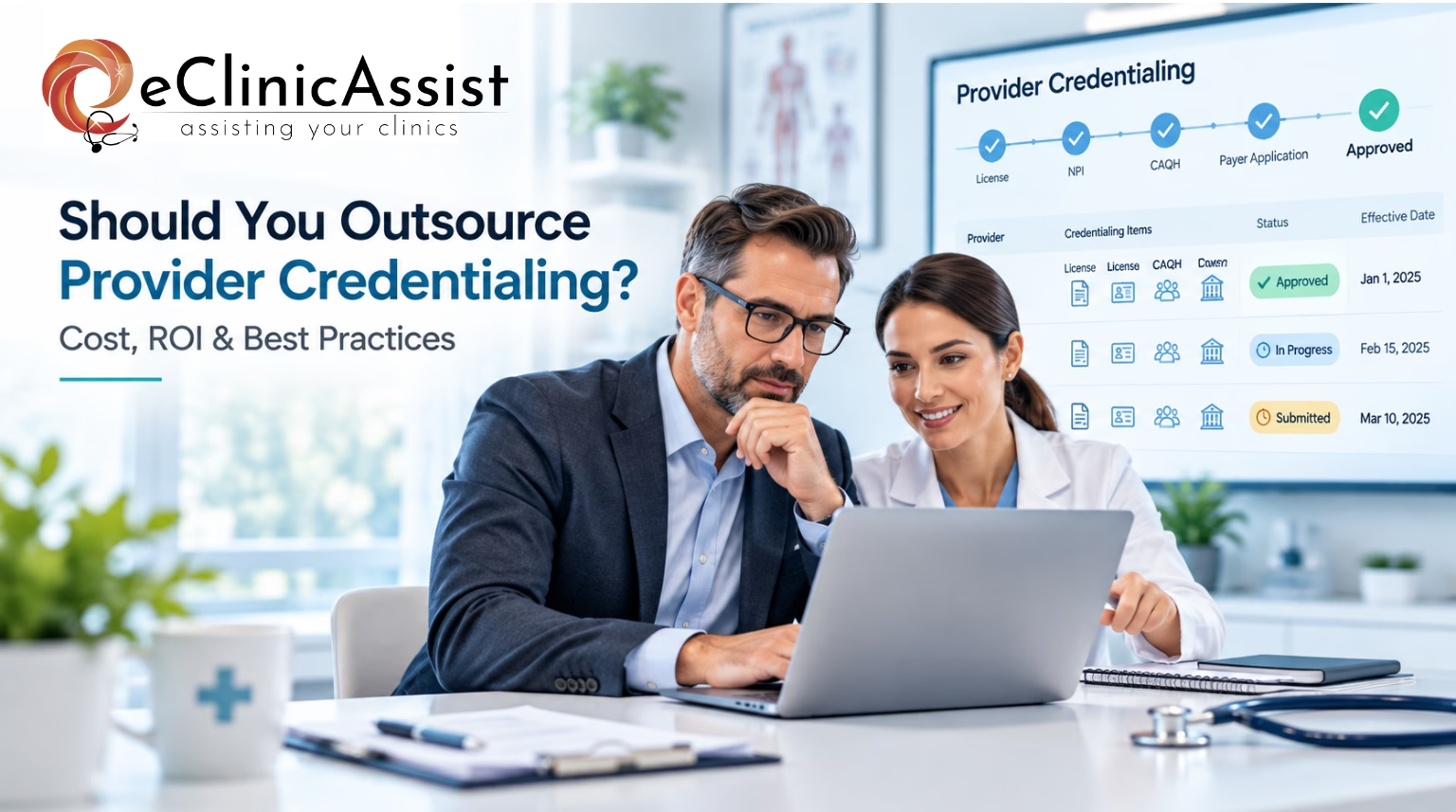
Dealing with provider credentialing can feel like a maze, full of paperwork, endless verification checks, and the constant fear of missing a crucial detail. This process isn’t just an administrative hurdle—it plays a critical role in maintaining compliance, preventing delays, and ensuring steady cash flow.
Why Credentialing Systems Are a Must-Have
Modern credentialing systems act as the digital backbone of your credentialing workflow. They help verify, enroll, and monitor providers efficiently while reducing manual errors.
These systems ensure your practice remains compliant and that applications are processed on time without unnecessary delays.
Key Types of Credentialing Systems and Databases
Each system plays a unique role in the credentialing process:
- Primary Source Verification Databases:
These are the first line of defense in verifying provider credentials. Systems like NPPES confirm identity, licensure, and sanctions, ensuring providers are legitimate before onboarding. - Provider Data Repositories:
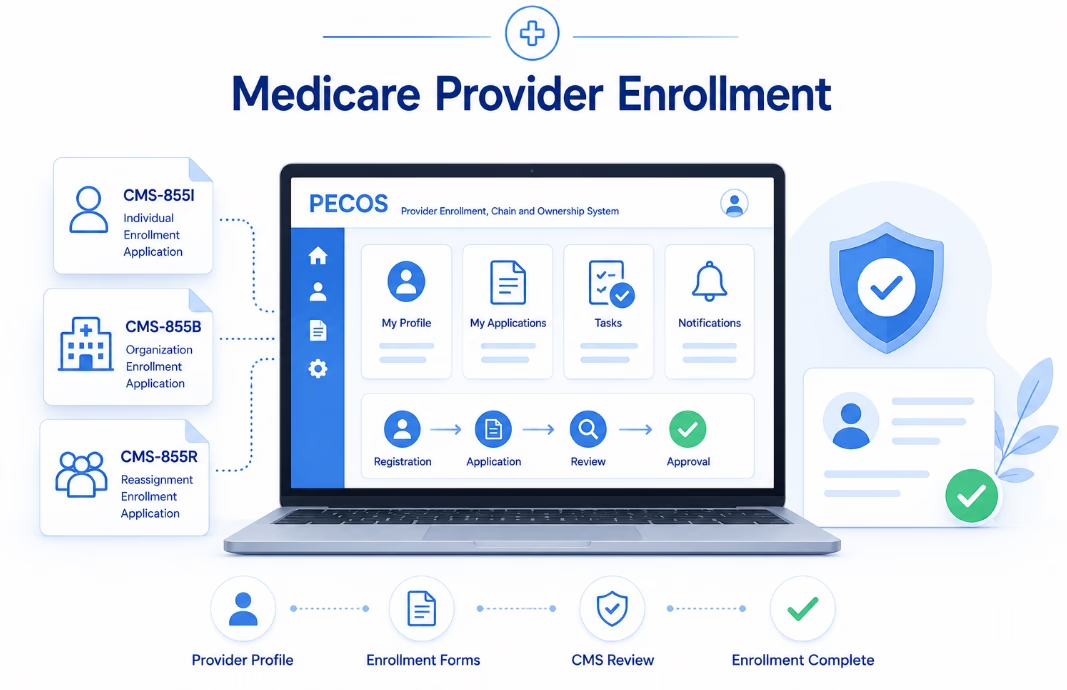
Centralized platforms like CAQH act as a single source of provider information used by multiple payers. Tools such as Availity and PECOS streamline provider enrollment and reduce repetitive data entry. - Exclusion & Sanctions Databases:
The OIG exclusion list ensures providers are not barred from federal programs. The NPDB tracks malpractice claims and disciplinary actions, providing a complete view of provider history.
To maintain accuracy across these systems, practices should also ensure all credentialing documents are complete and consistently maintained.
Benefits of Credentialing Systems and Databases
Adopting credentialing systems and databases offers several operational advantages:
- Reduced administrative workload through automation
- Faster provider enrollment and onboarding
- Improved data accuracy across multiple systems
- Better compliance with NCQA, CMS, and Joint Commission standards
- Enhanced revenue cycle management and reduced payer delays
These systems help practices move from reactive processes to proactive management.
Challenges You Still Need to Manage
While credentialing systems improve efficiency, they are not completely hands-off solutions.
Practices may still face issues such as incorrect data entry, missed renewal deadlines, and complex payer-specific requirements. Without proper oversight, these challenges can still lead to delays in provider enrollment and reimbursement.
A Real-World Scenario: When Systems Make the Difference
Imagine you’re a practice manager onboarding a new physician. The process is time-sensitive, and any delay can impact your revenue cycle.
- Before Using Systems:
You manually complete applications, track documents, and verify data across multiple platforms. A missed CAQH attestation or expired license can delay the entire process, leading to denied claims and lost revenue. - With Credentialing Systems and Databases:
You use an integrated system that auto-fills applications using CAQH data. Automated alerts notify you about expiring licenses and renewals. Centralized communication keeps providers informed, and compliance reports are generated instantly.
This approach reduces risk, saves time, and ensures providers are ready to see patients without delays.
Impact on Revenue Cycle Management
Credentialing systems and databases play a direct role in improving revenue cycle performance.
When credentialing is accurate and timely, providers can begin billing sooner, reducing accounts receivable and improving cash flow. Efficient systems also minimize claim denials caused by incomplete or incorrect provider data.
Practices that adopt structured systems also focus on reducing payer enrollment delays to improve claim approvals and revenue flow.
Best Practices for Maximizing System Efficiency
To fully benefit from credentialing systems, healthcare organizations should:
- Maintain centralized and updated provider data
- Use automation for tracking renewals and expirations
- Conduct regular audits to identify discrepancies
- Train staff on system usage and compliance requirements
- Monitor payer-specific requirements closely
These practices ensure systems are used effectively and reduce operational risks.
Turn Complexity Into Control
Credentialing systems and databases are no longer optional—they are essential for modern healthcare operations. By leveraging these tools, practices can reduce administrative burden, improve compliance, and streamline provider enrollment.
With the right systems and processes in place, credentialing becomes a controlled, efficient workflow rather than a stressful, error-prone task. If your practice is ready to optimize credentialing and reduce delays, contact eClinicAssist today to build a system that works for you.