The NPPES provider database is a critical system for managing provider information in healthcare. For practice managers and healthcare administrators, the NPPES provider database directly impacts billing accuracy, provider enrollment, and compliance.
Managing provider data across multiple systems can be complex, but NPPES serves as the central source of truth. Without accurate NPPES data, practices risk claim denials, payer delays, and revenue cycle disruptions.
What is the NPPES Provider Database?
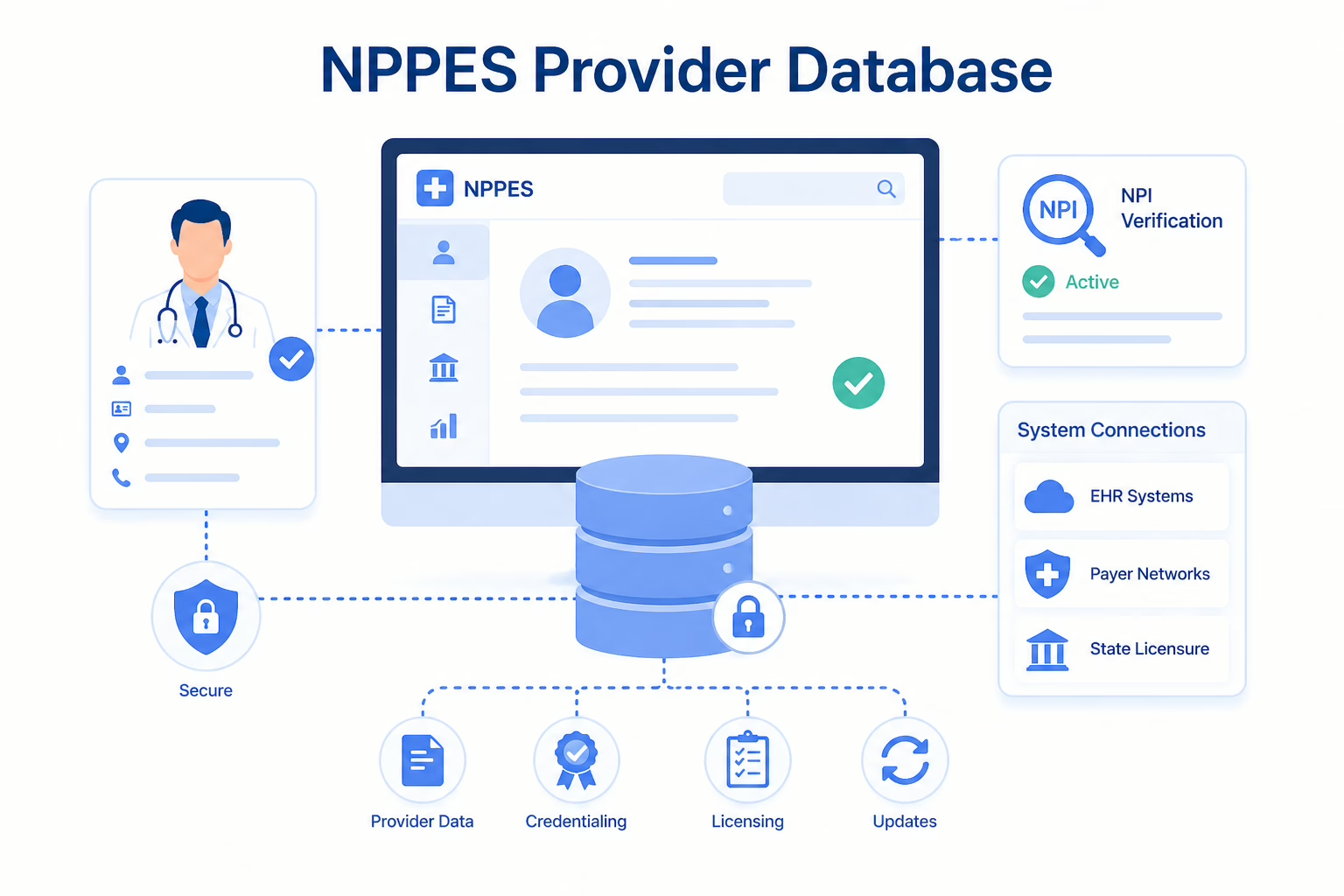
The National Plan and Provider Enumeration System (NPPES) is a secure online database maintained by the Centers for Medicare & Medicaid Services (CMS). It stores and manages information for every provider assigned a National Provider Identifier (NPI).
The NPI is a unique 10-digit number used across the healthcare system. It functions as a universal identifier required for billing Medicare, Medicaid, and commercial insurance. Without it, providers cannot submit claims or receive payments.
Why NPPES is Essential for Your Practice
NPPES is more than just a registry—it is a critical operational tool that ensures provider data is accurate and consistent across systems.
Practice managers rely on the NPI Registry within NPPES to verify provider details such as:
- NPI type (Type 1 for individuals, Type 2 for organizations)
- Practice address and location
- Taxonomy codes that define specialty
Any mismatch between NPPES data and credentialing records can delay provider enrollment and disrupt billing workflows.
To maintain consistency, practices should also align provider data across credentialing documents and systems.
A Common Scenario: When NPPES Errors Cause Delays
Imagine onboarding a new provider into your practice and submitting enrollment applications to multiple payers. Everything seems complete, but the application gets rejected.
The issue turns out to be a mismatch in the provider’s address. The payer has one address on file, while NPPES lists another. This discrepancy causes the application to fail validation.
By updating the provider’s information in the NPPES provider database, the issue is resolved, and the application can be resubmitted successfully.
This scenario highlights how even small inconsistencies can lead to delays and lost revenue.
Key Features of the NPPES Provider Database
NPPES offers several essential features that support healthcare operations:
- Application Portal:
Apply for new NPIs for individual providers and organizations - Updates and Maintenance:
Modify provider details such as name, address, and specialty - Deactivation:
Remove NPIs when providers leave the practice or retire - NPI Registry:
Public lookup tool to verify provider information quickly
These features make NPPES a central hub for managing provider data efficiently.
Impact on Revenue Cycle and Compliance
The NPPES provider database plays a direct role in revenue cycle management.
Accurate provider data ensures claims are processed without errors. Incorrect or outdated NPPES information can result in claim rejections, delayed payments, and increased administrative workload.
Maintaining updated records also supports compliance with HIPAA administrative simplification requirements and ensures smooth integration with electronic health records (EHRs).
Practices that maintain accurate provider data also focus on reducing payer enrollment delays to improve claim approvals and revenue flow.
Best Practices for Managing NPPES Data
To avoid issues related to the NPPES provider database, healthcare organizations should:
- Regularly review and update provider information
- Ensure consistency across NPPES, CAQH, and credentialing documents
- Verify addresses, taxonomy codes, and NPI types
- Update records immediately when changes occur
- Conduct periodic audits to identify discrepancies
These steps help maintain data accuracy and prevent costly delays.
Keep Your Data Accurate, Keep Your Revenue Flowing
The NPPES provider database is a foundational system for healthcare operations. By keeping provider information accurate and aligned across systems, practices can prevent billing errors, reduce delays, and maintain compliance.
A proactive approach to managing NPPES data ensures smoother provider enrollment and stronger revenue cycle performance. If your practice needs expert support in managing NPPES and credentialing processes, contact eClinicAssist today to streamline your operations.