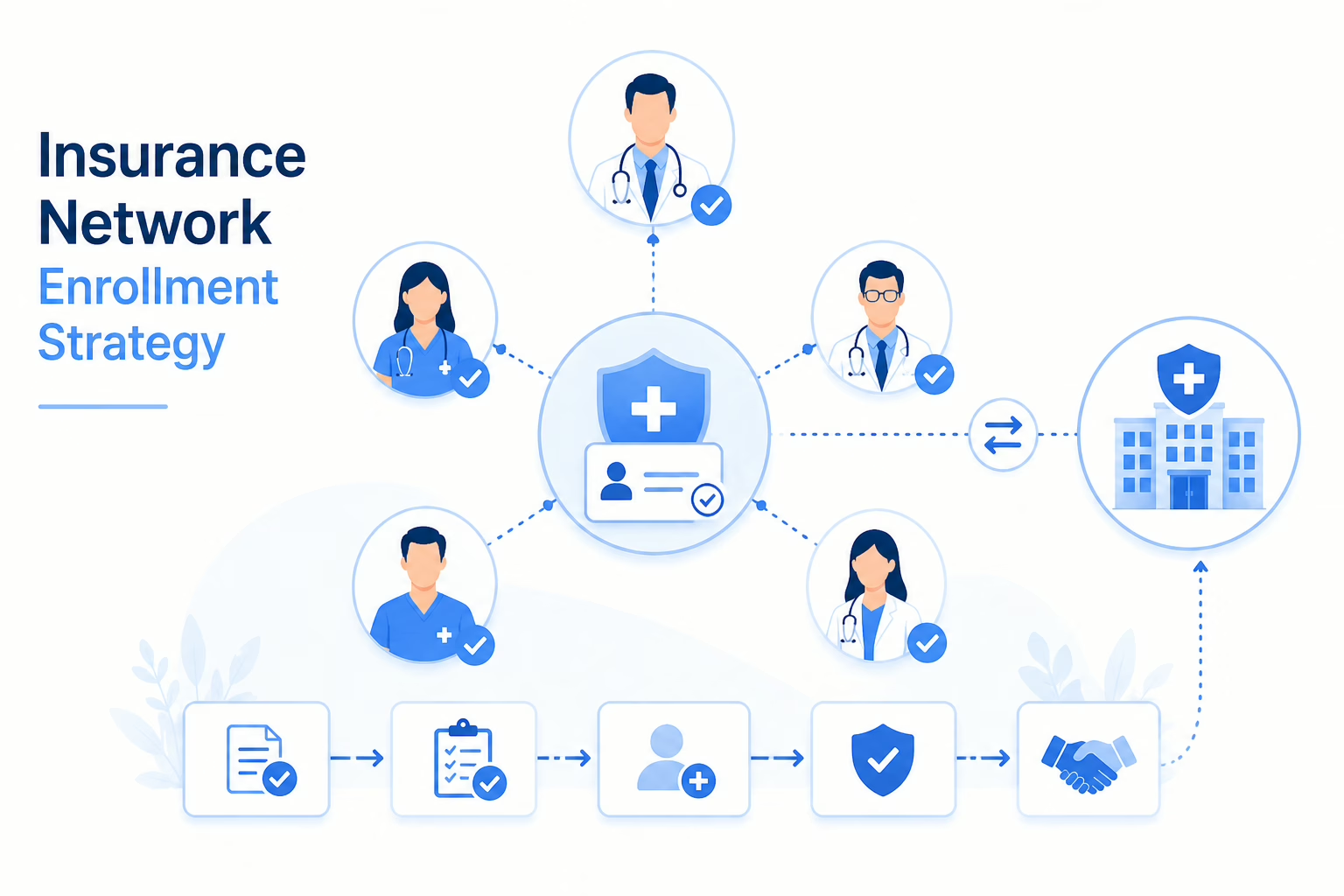
An insurance network enrollment strategy is essential for healthcare practices aiming to maintain consistent patient flow and reliable reimbursement. For practice managers and healthcare administrators, a strong insurance network enrollment strategy directly impacts provider enrollment, patient access, and revenue cycle management.
Without a clear approach, practices risk joining the wrong networks, facing payer delays, and missing opportunities to grow their patient base.
Understand Your Patient Demographics First
A successful strategy begins with a deep understanding of your patient population. Knowing who you serve allows you to target the right insurance networks and avoid unnecessary credentialing efforts.
Focus on key demographic factors:
- Age groups and care needs
- Income levels and insurance affordability
- Employment trends and employer-sponsored plans
- Geographic location and service coverage areas
This data helps you align your practice with networks that bring real patient volume.
Identify Patient Insurance Preferences
Once you understand your patient base, the next step is identifying the types of insurance they actually use.
Look at patterns such as Medicare, Medicaid, and private insurance usage, as well as common plan types like HMOs, PPOs, and EPOs. Understanding these preferences helps prioritize networks that will deliver the highest impact.
Prioritize Strong Regional Insurance Networks
Not all insurance networks have equal presence in every region. Some payers dominate specific markets, while others have limited reach.
Focus your efforts on networks with a strong local presence. This ensures higher patient access, reduces wasted credentialing time, and improves overall efficiency.
Align with Patient Care Needs
Your network strategy should also reflect the healthcare needs of your patient population.
If your practice specializes in chronic disease management, preventive care, or specialty services, prioritize networks that support and reimburse those services effectively. This alignment improves both patient outcomes and financial performance.
Step-by-Step: Build a Strong Enrollment Strategy
A structured approach can simplify the process and reduce delays:
- Research Insurance Providers: Identify key national and local payers through industry resources, events, and direct outreach
- Evaluate Network Requirements: Understand participation criteria, reimbursement structures, and service coverage
- Prepare Credentialing Documents: Ensure all required documents are accurate and up to date
- Submit Applications Efficiently: Avoid delays by providing complete and consistent information
- Track Application Progress: Monitor enrollment status and follow up with payers regularly
- Negotiate Contract Terms: Review reimbursement rates and ensure agreements align with your financial goals
To avoid delays during this phase, practices should also ensure all credentialing documents are complete and consistently maintained.
Impact on Revenue Cycle and Operations
A well-planned insurance network enrollment strategy directly improves revenue cycle management. Providers can begin billing sooner, reducing delays in reimbursement and improving cash flow.
Efficient enrollment also reduces administrative workload by minimizing claim denials and rework. This allows billing teams to focus on optimizing performance instead of fixing errors.
Practices that streamline enrollment processes also focus on reducing payer enrollment delays to improve claim approvals and revenue flow.
Common Challenges Practices Face
Many healthcare organizations struggle with selecting the right networks and managing multiple payer requirements.
Incomplete applications, inconsistent provider data, and lack of tracking systems often lead to delays and missed opportunities. These issues can disrupt medical billing workflows and reduce overall efficiency.
Stay Flexible in a Changing Insurance Landscape
Insurance networks and payer requirements continue to evolve. Practices must stay informed about policy changes, reimbursement updates, and network participation criteria.
Regularly reviewing your network strategy ensures it remains aligned with your patient population and business goals.
Build a Strategy That Drives Growth
An effective insurance network enrollment strategy is essential for improving patient access, strengthening compliance, and maintaining financial stability. By understanding your patient base, selecting the right networks, and managing credentialing efficiently, your practice can reduce delays and optimize revenue performance.
A proactive approach ensures long-term growth and operational success. If your practice needs expert support in managing enrollment and credentialing processes, contact eClinicAssist today for guidance.