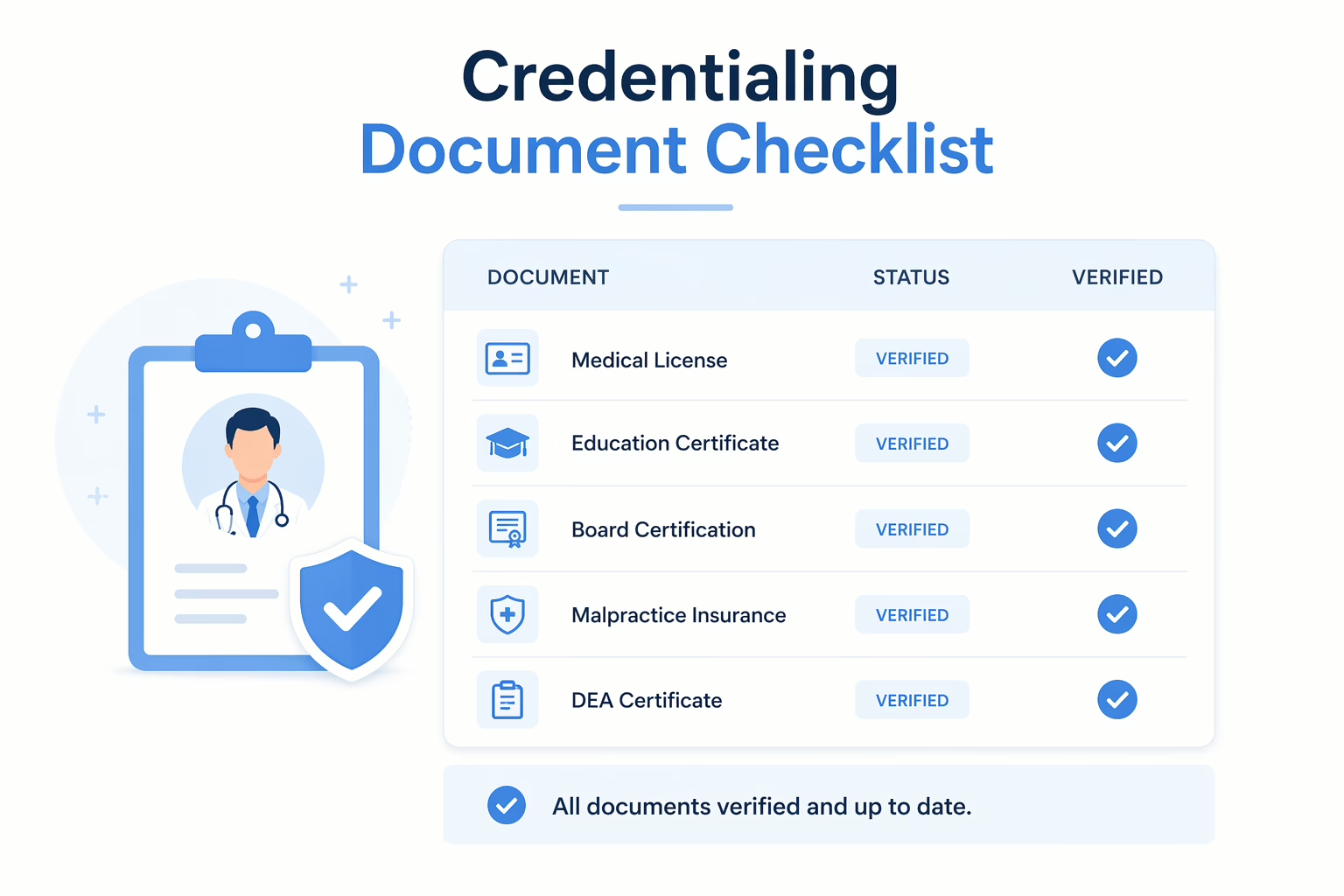
A credentialing document checklist is essential for ensuring a smooth provider enrollment process and preventing unnecessary delays. For practice managers and healthcare administrators, a credentialing document checklist helps eliminate errors that disrupt approvals, billing, and compliance.
In today’s healthcare environment, even one missing document can delay onboarding, increase payer delays, and negatively impact revenue cycle management.
The Real Cost of Missing Credentialing Documents
Credentialing is the foundation of healthcare operations, and incomplete documentation can quickly slow everything down. A missing license or incomplete work history can delay approvals for weeks or even months, pushing back provider start dates and reducing patient access.
These delays directly affect revenue. Providers cannot bill until credentialing is complete, which leads to lost income, increased administrative workload, and operational inefficiencies. As seen in real scenarios, missing paperwork can keep providers from billing, directly impacting financial performance.
Common Documents That Cause Delays
Credentialing requires precise and complete documentation, and even small gaps can create major bottlenecks. The most frequently missing or incorrect documents include:
- State medical licenses and DEA registrations
- Board certifications and specialty credentials
- Malpractice insurance certificates
- Work history and employment verification
- Credentialing application forms with complete details
- Medical school, residency, and training documentation
To avoid these issues, practices should ensure all credentialing documents are complete and accurate.
Impact on Revenue and Operations
Missing documents do more than delay credentialing—they disrupt the entire healthcare workflow. Providers cannot bill until approvals are completed, which increases accounts receivable and slows down cash flow.
Billing teams are forced to spend additional time correcting errors, resubmitting applications, and following up with payers. Over time, these inefficiencies limit growth and reduce overall operational performance.
Step-by-Step: How to Prevent Credentialing Delays
A structured and proactive approach can significantly reduce credentialing issues and improve efficiency.
First, practices should create a standardized credentialing document checklist that is used for every provider. This ensures consistency and reduces the risk of missing critical information during submission.
Second, maintaining a centralized document management system allows teams to store, access, and update provider documents easily. This reduces duplication errors and improves coordination across departments.
Third, all documents should be verified before submission. Checking for accuracy, expiration dates, and completeness prevents unnecessary rejections and delays from payers.
Fourth, tracking expiration dates for licenses, certifications, and malpractice insurance is essential. Setting reminders in advance helps avoid last-minute compliance issues and gaps in documentation.
Finally, maintaining consistency across all systems—including CAQH, payer portals, and internal records—ensures smoother verification and faster approvals.
Real-World Scenario: Where Things Go Wrong
Consider a practice that hires a new specialist and quickly submits a credentialing application. Everything appears complete at first, but a missing license copy delays verification.
Weeks pass while the team gathers documents and resubmits the application. During this time, the provider cannot bill, resulting in significant revenue loss and disruption to daily operations.
How Credentialing Impacts Revenue Cycle Management
Credentialing is directly tied to revenue cycle management, and delays in approval immediately affect financial performance. Without completed credentialing, claims cannot be processed or reimbursed, regardless of how accurate the billing is.
Delays lead to denied claims, increased administrative workload, and reduced cash flow. To strengthen revenue performance, practices should also focus on reducing payer enrollment delays to improve claim approvals and revenue flow.
Common Mistakes to Avoid
Many practices rely on manual tracking systems, which increases the risk of missed deadlines and incomplete documentation. Lack of coordination between credentialing, billing, and compliance teams often leads to avoidable delays.
Incomplete applications, inconsistent provider data, and failure to update systems after changes are some of the most common issues that disrupt the credentialing process.
Build a Strong Credentialing Foundation
A credentialing document checklist is the key to avoiding delays, improving compliance, and protecting revenue. When documentation is accurate and complete, practices benefit from faster approvals, fewer denials, and smoother provider onboarding.
Practices that invest in structured credentialing processes experience stronger operational efficiency and more stable financial performance. If your team needs help managing credentialing and avoiding costly delays, contact eClinicAssist today for expert support.