
The provider enrollment process is a critical step that determines how quickly healthcare providers can begin billing insurance and generating revenue. A poorly managed provider enrollment process can lead to credentialing delays, claim denials, and serious disruptions in revenue cycle management.
For practice managers and healthcare administrators, enrollment is not just an administrative task—it is a core financial function. If providers are not enrolled correctly, medical billing workflows slow down, insurance claims are rejected, and cash flow becomes unstable.
Why Provider Enrollment Delays Hurt Revenue
Provider enrollment is often complex because each payer has its own rules, documentation standards, and approval timelines. Even a small error in the application can delay approvals by weeks or months.
When enrollment is delayed, providers may see patients but cannot submit claims under their credentials. This creates a gap between patient care and reimbursement, which directly impacts revenue cycle management.
Healthcare practices often face additional challenges such as incomplete documentation, inconsistent provider data, and lack of follow-up. These issues lead to payer delays, repeated submissions, and increased administrative workload.
For example, a newly hired provider may begin treating patients immediately, but without completed enrollment, those visits cannot be billed. Over time, this results in lost revenue while operational costs continue.
Step-by-Step Guide to Managing the Provider Enrollment Process
A structured and proactive approach can significantly improve enrollment timelines and reduce payer-related delays.
1. Prepare Complete Documentation Before Submission
The foundation of a successful provider enrollment process is accurate and complete documentation.
Ensure all required documents are ready before submission, including:
-
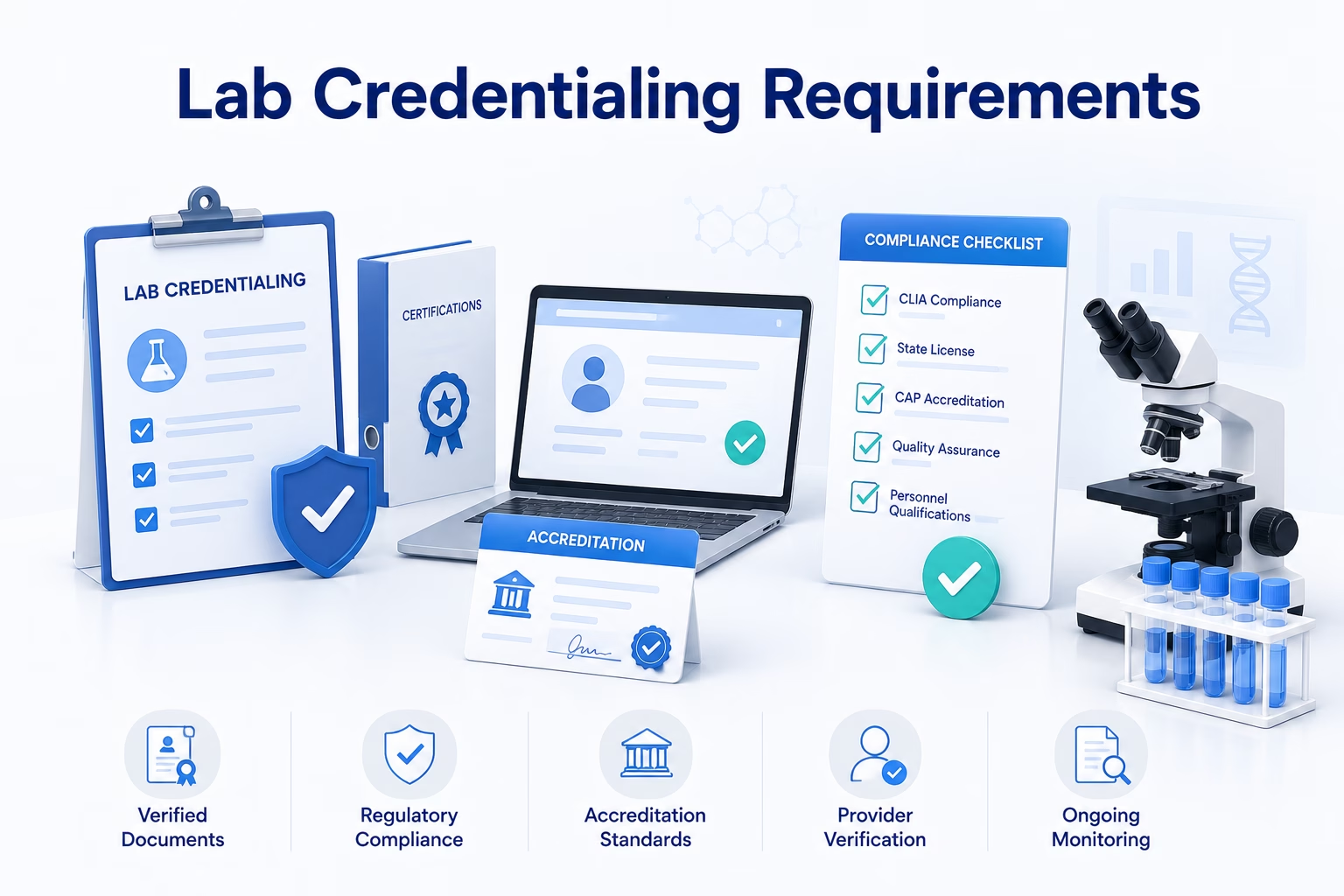
NPI confirmation from NPPES
-
State medical license(s)
-
DEA certificate (if applicable)
-
Malpractice insurance certificate
-
Board certifications
-
W-9 form and tax details
Incomplete or outdated documents are one of the most common causes of enrollment delays.
2. Ensure Data Consistency Across Systems
Payers verify provider information across multiple systems before approving enrollment. Key systems include CAQH, NPPES, PECOS, and state licensing databases. Even small inconsistencies in names, addresses, or taxonomy codes can trigger application reviews and slow down approvals.
To avoid these issues, practices should audit provider data across all systems before submitting applications.
3. Submit Applications to Multiple Payers Simultaneously
Submitting applications one by one increases the total enrollment timeline. Instead, practices should submit applications in parallel to major payers, including Medicare, Medicaid, and commercial insurers. This approach ensures providers can begin billing across multiple networks without unnecessary delays.
To improve your strategy further, review this guide on payer enrollment strategies to secure faster reimbursement.
4. Understand Payer-Specific Requirements
Each payer has unique enrollment rules that must be followed carefully.
- Medicare requires strict PECOS alignment to ensure accurate provider enrollment and avoid delays.
- Medicaid follows state-specific requirements that vary by location and enrollment rules.
- Commercial payers use proprietary forms and workflows that must be completed correctly for approval.
Understanding these differences helps practices avoid common errors and reduce rework during the enrollment process.
For deeper insight into common credentialing errors, explore this guide on credentialing mistakes and how to avoid delays.
5. Monitor Applications and Follow Up Regularly
Submitting an application does not guarantee progress.
Practices should implement a follow-up system that includes:
-
Checking application status every 7–10 days
-
Contacting payer representatives for updates
-
Documenting all communication
Regular follow-ups prevent applications from being delayed due to missing information or inactivity.
6. Start Early to Prevent Revenue Gaps
Timing is one of the most important factors in the provider enrollment process. Enrollment should begin at least 90–120 days before a provider’s start date, especially for Medicare and Medicaid. Starting early ensures providers can begin billing as soon as they start seeing patients.
7. Maintain Ongoing Compliance After Enrollment
Provider enrollment does not end after approval.
Practices must maintain compliance by:
-
Tracking license and certification expiration dates
-
Updating CAQH profiles regularly
-
Reporting changes in provider information
Failure to maintain updated records can result in deactivation or delays in future claims.
Conclusion
A well-managed provider enrollment process is essential for maintaining efficient healthcare operations and consistent revenue. Practices that focus on documentation accuracy, data consistency, and proactive follow-ups can significantly reduce delays and improve provider onboarding timelines.
Ignoring the importance of the provider enrollment process can lead to claim denials, workflow disruptions, and lost revenue. However, with the right systems in place, practices can streamline enrollment and ensure providers are ready to bill from day one.
If managing provider enrollment and credentialing feels overwhelming, eClinicAssist can help. Our experts handle the entire process, from documentation to approval, so your team can focus on patient care.
Contact eClinicAssist today to streamline your enrollment process and accelerate your revenue cycle.