
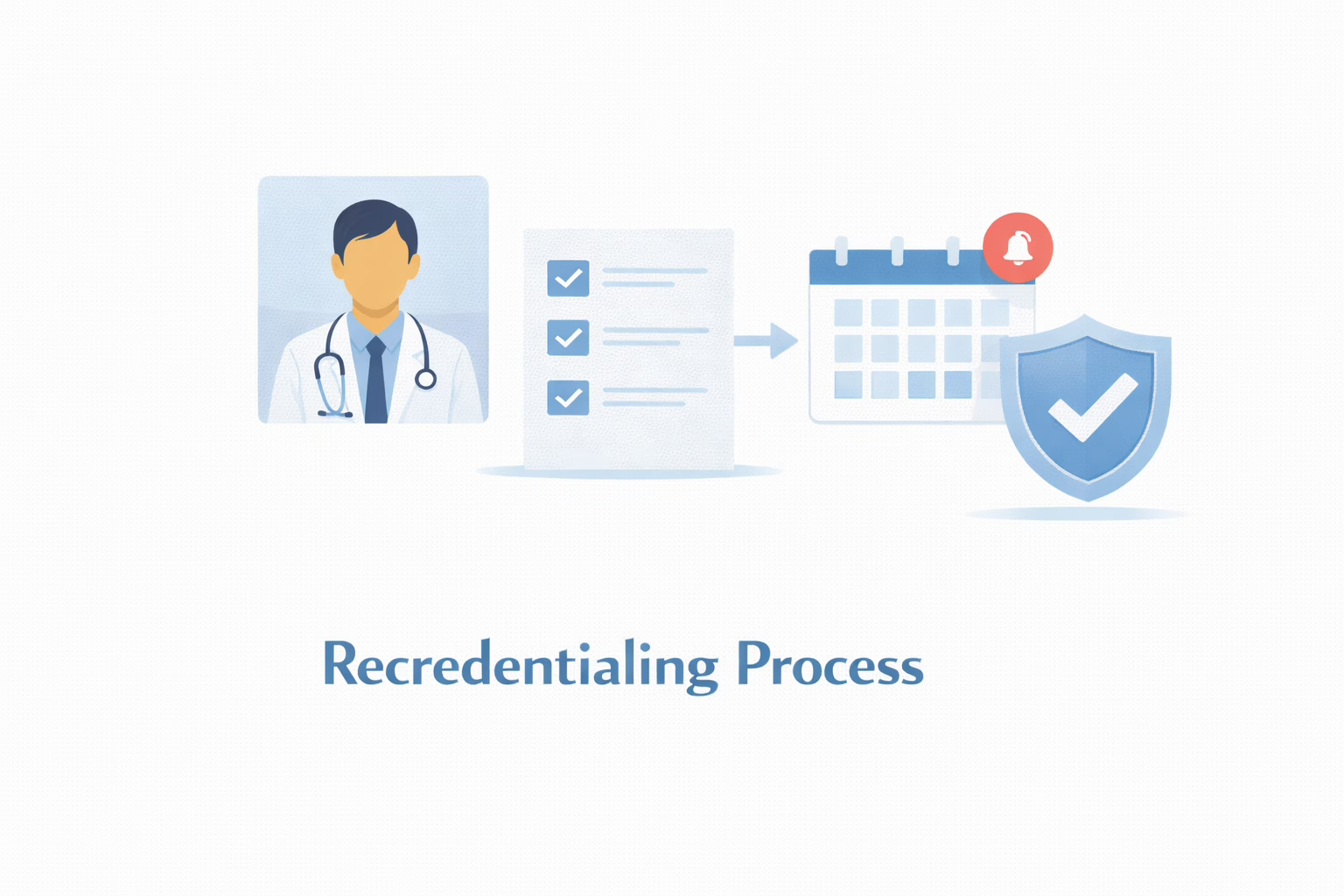
The provider recredentialing process is a critical part of maintaining compliance and ensuring uninterrupted operations in healthcare practices. Without an effective provider recredentialing process, clinics risk claim denials, payer disruptions, and revenue cycle breakdowns.
For practice managers and healthcare administrators, recredentialing directly impacts provider enrollment, medical billing workflows, and long-term financial stability.
What Is Recredentialing and Why It Matters
Recredentialing is the periodic review of a provider’s qualifications, typically every two to three years. It ensures providers continue to meet licensing, certification, and compliance standards. Unlike initial credentialing, this process is ongoing. Missing deadlines can result in payer deactivation, delayed reimbursements, and compliance risks.
Treating recredentialing as a continuous process—not a one-time task—is essential for operational success.
Why Delays in Recredentialing Are Risky
Even small lapses in documentation can trigger major disruptions. Providers may temporarily lose the ability to bill insurance. This leads to delayed revenue, increased accounts receivable, and workflow interruptions.
Over time, repeated delays can damage payer relationships and reduce overall practice efficiency.
Step-by-Step: Provider Recredentialing Process
1. Track Expiration Dates Proactively
Maintain a system to monitor expiration dates for licenses, DEA registrations, malpractice insurance, and certifications.
Set reminders well in advance to avoid last-minute issues.
2. Maintain Updated Documentation
Ensure all provider documents are current, accurate, and easily accessible.
To reduce errors, it’s important to understand how provider credentialing documents impact approvals and compliance.
3. Keep a “Living” Provider Profile
Regularly update provider information such as CV, work history, and contact details.
Consistency across systems like CAQH, NPPES, and payer portals is essential to prevent discrepancies.
4. Submit Recredentialing Applications Early
Start the process at least 90 days before the due date. Early submission provides time to resolve any issues.
Waiting until deadlines increases the risk of denial or deactivation.
5. Monitor Application Status
Track submissions and follow up with payers regularly.
Active monitoring prevents delays and ensures timely approvals.
Leveraging Technology for Efficiency
Manual tracking often leads to missed deadlines and errors. Credentialing software helps automate reminders, manage documents, and track application progress.
These tools improve accuracy, reduce administrative workload, and streamline the provider recredentialing process.
Building Strong Payer Communication
Maintaining communication with payer representatives is essential. Clarifying requirements early helps prevent rejections and speeds up approvals.
Strong payer relationships also reduce delays and improve overall enrollment efficiency.
Real-World Impact: The Cost of Missed Deadlines
Imagine a provider whose malpractice insurance expires unnoticed. Even a short lapse can trigger claim denials for services already provided. This results in lost revenue and increased administrative work.
Correcting these errors requires resubmissions, appeals, and time-consuming follow-ups. To avoid such risks, practices should learn how to prevent credentialing delays and protect their revenue cycle.
Best Practices for Seamless Recredentialing
Centralize all provider documents in one system. This improves visibility and reduces the risk of missing information. Use automated reminders to track deadlines and ensure timely updates.
Align credentialing, billing, and compliance teams to maintain workflow consistency. Regular audits help identify gaps early and prevent compliance issues.
Practices that implement these strategies experience fewer delays and stronger operational performance.
Master the Provider Recredentialing Process
The provider recredentialing process is essential for maintaining compliance, protecting revenue, and ensuring uninterrupted patient care. Without a structured provider recredentialing process, practices risk delays, denials, and financial instability.
By staying proactive, maintaining accurate documentation, and leveraging technology, healthcare organizations can streamline recredentialing and improve efficiency.
If managing recredentialing feels overwhelming, eClinicAssist can help. Our experts handle credentialing maintenance, compliance tracking, and payer communication so you can focus on patient care. Contact us today to simplify your processes and protect your revenue.