
Insurance contract negotiation for healthcare is a critical process that directly impacts how much your practice gets paid. Without a structured approach to insurance contract negotiation for healthcare, clinics often face underpayments, payer delays, and long-term revenue loss.
For practice managers and healthcare administrators, this isn’t just about contracts—it directly affects provider enrollment, healthcare credentialing, and the efficiency of your medical billing workflows.
Why Insurance Contracts Directly Impact Practice Revenue
Every payer contract defines reimbursement rates, claim timelines, and administrative requirements. Even small inefficiencies can create major financial gaps over time.
Poorly negotiated contracts often lead to lower reimbursements, higher denial rates, and delays in provider enrollment that prevent timely billing, especially when practices lack a structured provider enrollment process.
Over time, these issues disrupt revenue cycle management, increase administrative workload, and create unnecessary pressure on billing teams.
Step-by-Step: Insurance Contract Negotiation for Healthcare
1. Analyze Your Financial and Billing Data
Start with real performance data. Review your top CPT codes, payer reimbursements, denial trends, and cost per service. This data helps identify revenue leakage and gives you a strong, evidence-based position during negotiations.
2. Benchmark Against Market and Medicare Rates
Use Medicare as a baseline and compare it with commercial payer rates in your region. If your reimbursements are below market, document the gap clearly. This becomes your leverage during negotiation discussions.
3. Audit Existing Contracts for Hidden Gaps
Carefully review your current agreements and identify weak points such as outdated reimbursement schedules, slow claim timelines, and restrictive authorization requirements.
Many practices also overlook how documentation gaps contribute to credentialing delays, which is why having accurate provider credentialing documents in place is essential to avoid disruptions:
4. Align Credentialing and Enrollment Before Negotiation
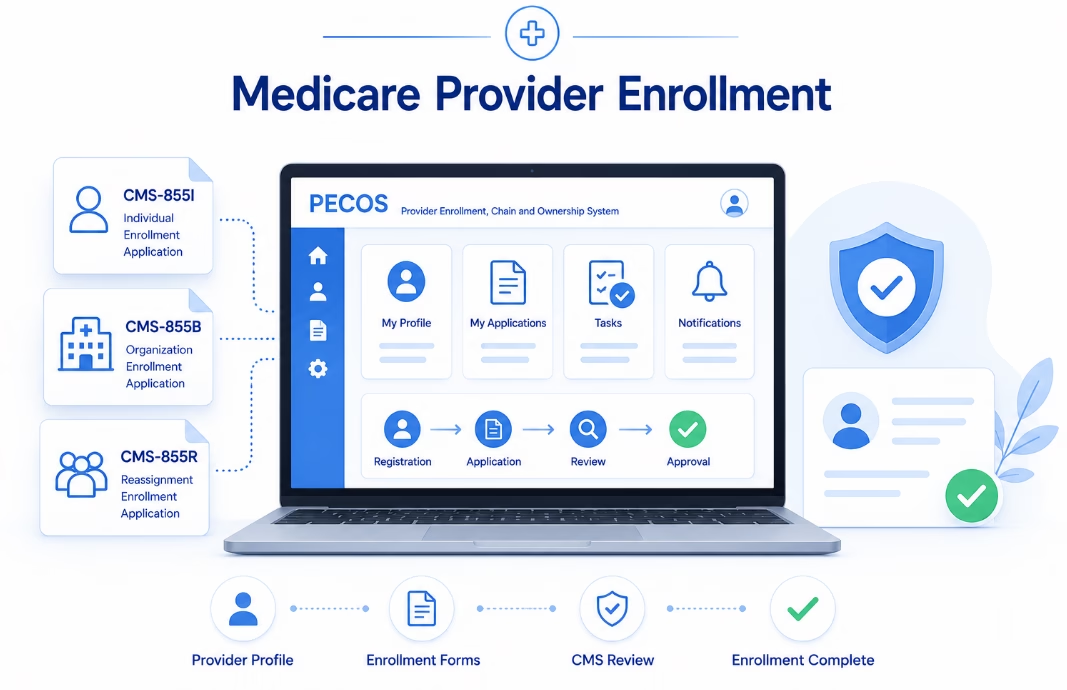
Before renegotiating any contract, ensure your provider data is accurate across CAQH, PECOS, and payer systems. Data inconsistencies can delay approvals, interrupt insurance enrollment, and prevent providers from billing on time—directly impacting cash flow.
5. Present a Value-Based Case to Payers
Payers respond to value, not just requests. Highlight your patient volume, specialty services, clinical outcomes, and clean claim rates. If your practice demonstrates efficiency and quality, you gain stronger negotiating power.
6. Negotiate Beyond Just Reimbursement Rates
Reimbursement rates are important, but they are only part of the equation.
Also negotiate:
-
Faster claim processing timelines
-
Reduced prior authorization requirements
-
Clear billing and documentation guidelines
-
Lower administrative burden
These improvements directly enhance medical billing workflows and reduce payer delays.
7. Finalize, Review, and Validate the Agreement
Once terms are agreed upon, ensure everything is clearly documented. Review the contract thoroughly and involve compliance or legal experts if needed. Poorly structured contracts can create long-term compliance risks and payment disputes.
Best Practices to Strengthen Negotiation Outcomes
Use Data to Support Every Decision
Bring measurable insights into every discussion to improve credibility and outcomes.
Align Internal Teams
Ensure credentialing, billing, and compliance teams are working in sync to avoid gaps.
Monitor Payer Performance
Track key metrics like denial rates, A/R days, and payment timelines to identify underperforming contracts early.
Prevent Delays Before They Impact Revenue
Contract inefficiencies often show up as billing delays, denied claims, or slow reimbursements, and these issues are frequently tied to enrollment bottlenecks—making it essential to understand how to reduce payer enrollment delays using proven strategies.
Taking a proactive approach helps maintain consistent cash flow and prevents operational disruptions.
Know When to Renegotiate or Walk Away
Not every contract is worth keeping. If a payer consistently delivers low reimbursement, high denial rates, or excessive administrative burden, it may be time to renegotiate—or reconsider participation altogether.
Real-World Consequences of Weak Contracts
Weak contracts don’t just reduce revenue—they affect your entire operation. Practices often experience delayed provider onboarding, increased billing workload, revenue leakage, and unstable cash flow. Over time, these issues limit growth and reduce operational efficiency.
Strengthen Your Strategy for Long-Term Growth
Insurance contract negotiation for healthcare is not a one-time task—it’s an ongoing strategy that protects your revenue, improves workflows, and ensures compliance. Practices that approach insurance contract negotiation for healthcare with data, alignment, and expert insight consistently achieve better reimbursement outcomes and fewer payer delays.
If your contracts are outdated, underperforming, or creating operational challenges, now is the time to act.
eClinicAssist helps healthcare practices optimize contracts, streamline credentialing, and improve revenue cycle management. Contact us today to strengthen your negotiation strategy and maximize your revenue.