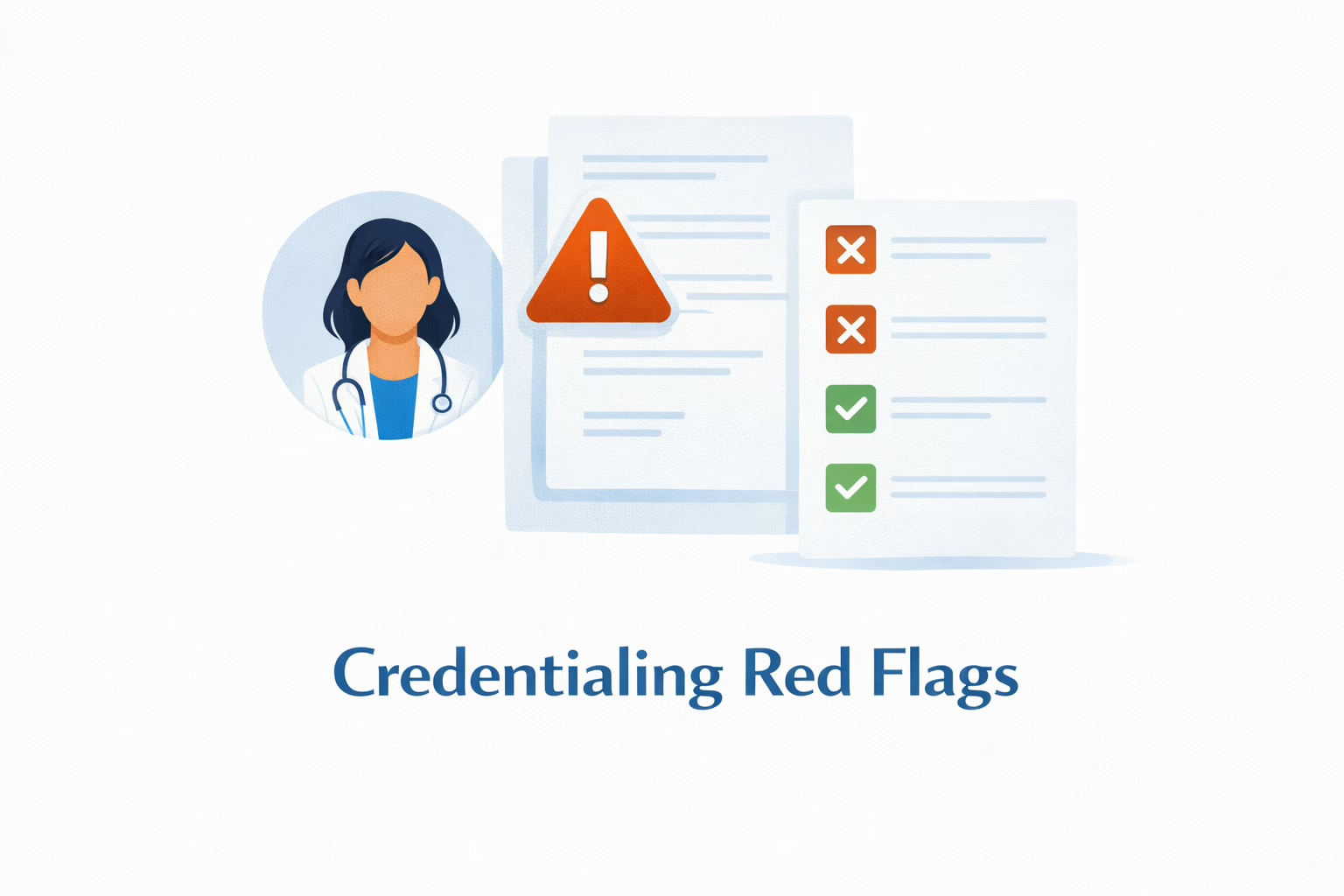
Credentialing application red flags are one of the biggest reasons healthcare providers face delays or denials. If you don’t identify credentialing application red flags early, your practice can experience disruptions in provider enrollment, medical billing workflows, and revenue cycle management.
For practice managers, clinic owners, and healthcare administrators, even small mistakes in the application process can lead to weeks of delays and lost revenue.
Why Small Errors Cause Big Problems
Credentialing is a detailed verification process. Every document, data point, and reference must align perfectly. When applications contain inconsistencies or missing information, payers flag them for manual review. This slows down approvals and can completely stall provider onboarding.
In many cases, these issues are preventable. Understanding the most common credentialing mistakes that lead to delays and denials can help practices avoid these costly setbacks.
Most Common Credentialing Issues That Trigger Delays
Credentialing failures rarely happen because of one major issue. Instead, they occur due to small gaps that accumulate during the process.
Incomplete or Mismatched Information
Even minor inconsistencies—such as a mismatched license number or incorrect NPI—can trigger delays. Payers rely on exact data matching, and discrepancies require manual verification.
Expired or Outdated Documents
Submitting expired licenses, DEA registrations, or malpractice insurance is an immediate red flag. Applications are often rejected without review if documents are not current.
Unexplained Employment Gaps
Gaps in work history raise concerns about provider continuity. Without clear explanations, payers may request additional documentation, slowing down the process.
CAQH Profile Discrepancies
Your CAQH profile acts as a central data source. If the information in your CAQH profile does not match submitted documents, it creates verification issues.
Unresponsive References or Verification Delays
Credentialing requires direct verification of education, employment, and references. If sources are unresponsive, applications can remain pending indefinitely.
Failure to Meet Payer Requirements
Each payer has specific criteria, including experience thresholds or panel requirements. Applying without meeting these conditions often results in rejection.
Step-by-Step: How to Avoid Credentialing Application Red Flags
1. Perform a Full Data Audit Before Submission
Before submitting any application, verify that all provider data is accurate and consistent across CAQH, payer forms, and internal records.
2. Maintain Updated Documentation at All Times
Ensure licenses, certifications, and insurance policies are active and valid. Expired documents should never be included in submissions.
3. Standardize Credentialing Workflows
Create a structured process for document collection, verification, and submission. Standardization reduces human error and improves efficiency.
4. Prepare Explanations for Any Gaps
If there are employment gaps or unusual career transitions, include clear explanations upfront to prevent delays.
5. Monitor CAQH Profiles Regularly
Keep CAQH profiles updated and attested. Many credentialing delays occur simply because profiles are outdated or incomplete.
6. Track Application Progress and Follow Up
Credentialing does not end after submission. Regular follow-ups help identify issues early and prevent applications from stalling.
To improve tracking and avoid missed follow-ups, learning how to manage the credentialing follow-up process effectively can significantly reduce delays and improve approval timelines.
The Real Cost of Credentialing Delays
Credentialing delays are not just administrative inconveniences—they directly affect your practice’s revenue and operations.
When applications are delayed:
- Providers cannot bill insurance
- Patient appointments may be limited
- Revenue cycle management slows down
- Administrative workload increases
Over time, these issues can create significant financial strain and reduce practice efficiency.
How to Build a Strong Credentialing System
Preventing credentialing application red flags requires more than just fixing errors—it requires a proactive system.
Successful practices focus on:
- Maintaining accurate and consistent provider data
- Implementing document tracking systems
- Training staff on credentialing requirements
- Using technology to automate workflows
These strategies improve accuracy, reduce delays, and support long-term operational stability.
From Reactive Fixes to Proactive Success
Many practices operate reactively, addressing issues only after delays occur. However, high-performing organizations take a proactive approach by identifying risks early, verifying data before submission, and continuously monitoring credentialing processes.
This shift leads to faster approvals, fewer denials, and stronger revenue cycle performance.
Eliminate Credentialing Application Red Flags
Credentialing application red flags can significantly impact your practice if not addressed early. By identifying and eliminating credentialing application red flags, healthcare practices can improve approval rates, reduce delays, and maintain consistent revenue flow.
If your practice is struggling with credentialing delays or application errors, eClinicAssist offers expert support to streamline your credentialing process, eliminate red flags, and accelerate approvals. Contact us today to protect your revenue and optimize your operations.