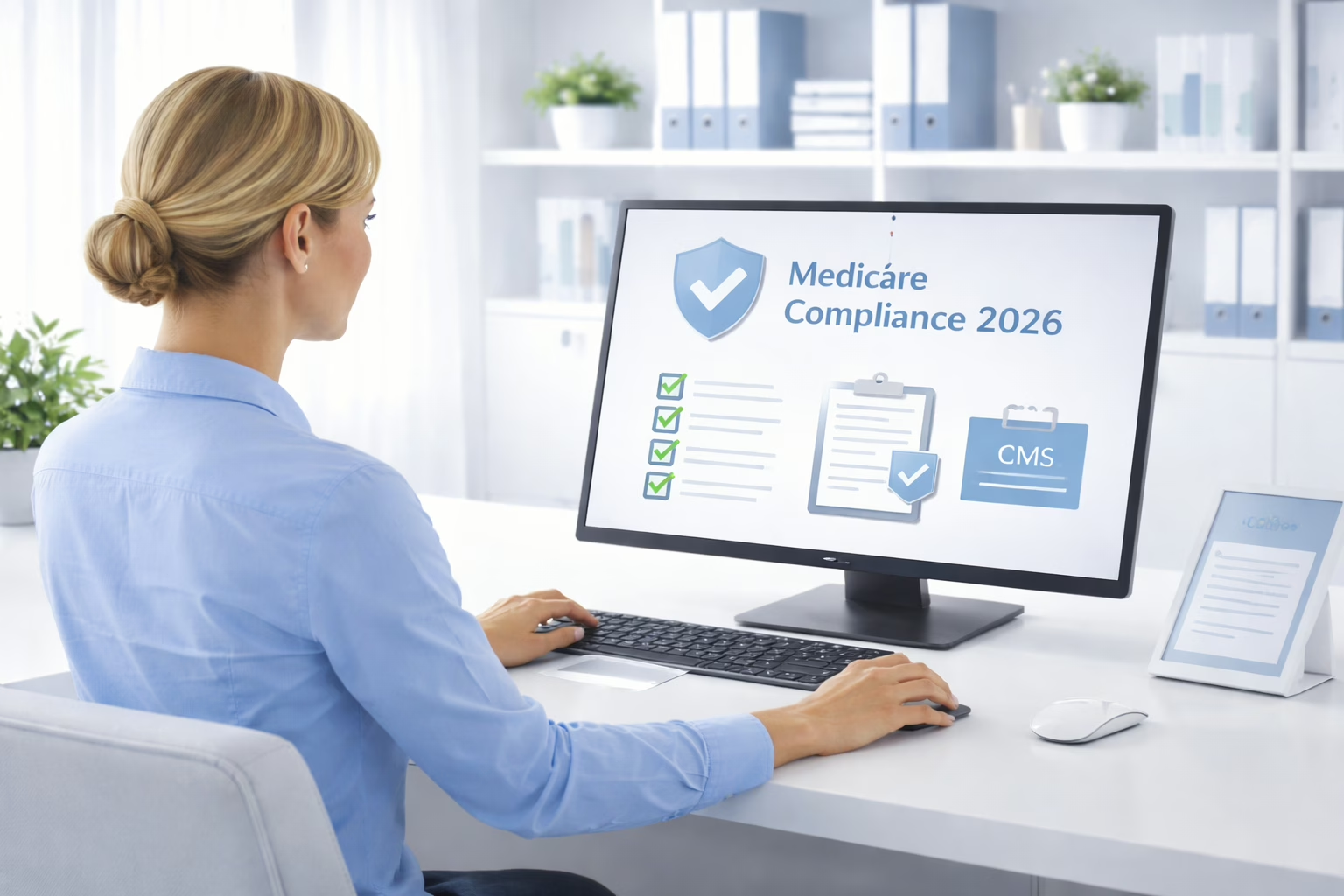
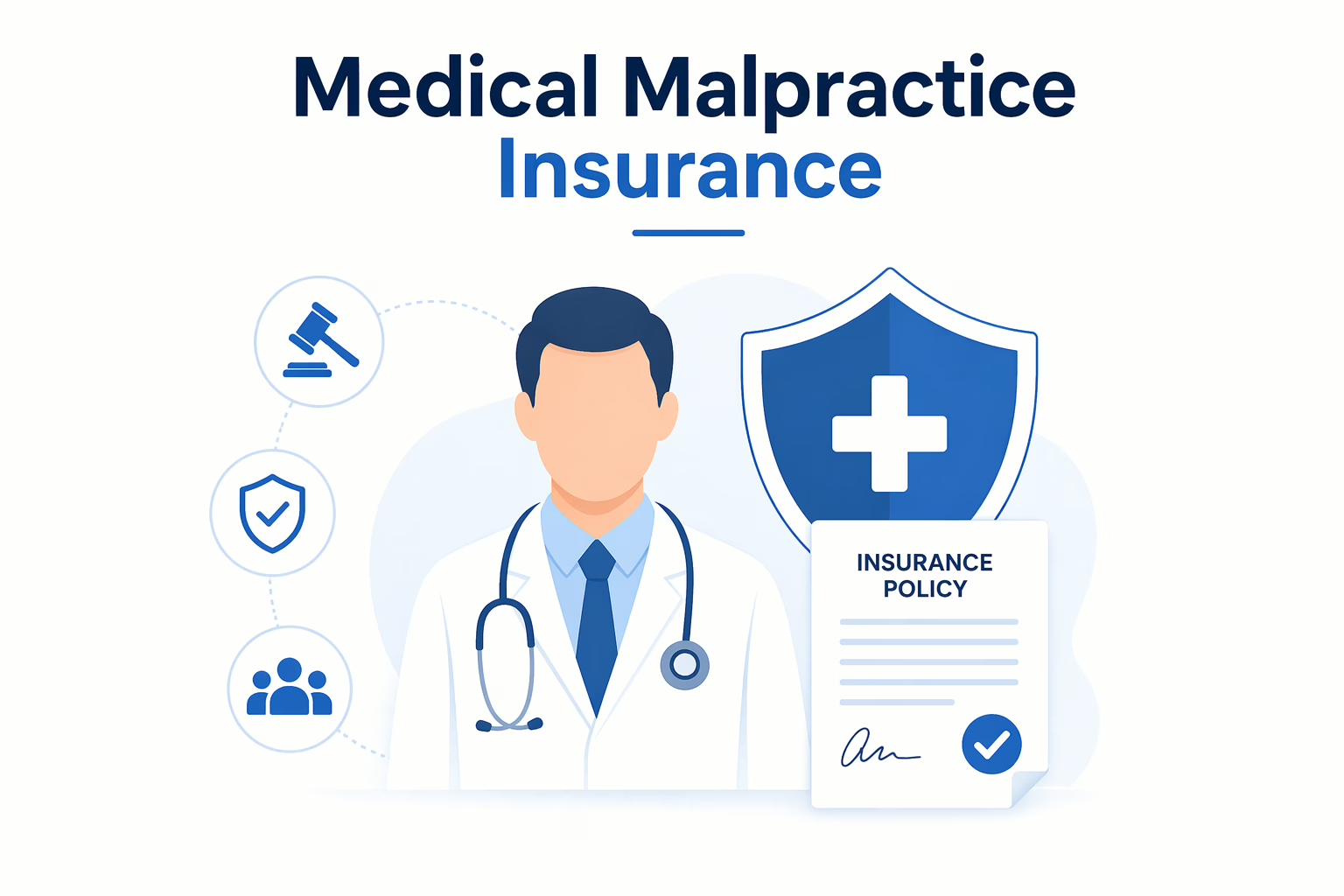
Malpractice insurance in credentialing plays a critical role in ensuring smooth provider enrollment and uninterrupted revenue cycles. For practice managers and healthcare administrators, malpractice insurance in credentialing is not just a compliance requirement—it directly impacts approvals, billing, and financial stability.
In today’s complex healthcare environment, even a short lapse in coverage can delay onboarding, trigger claim denials, and disrupt medical billing workflows.
Understanding the Role of Malpractice Insurance
Medical malpractice insurance protects healthcare providers against claims of negligence or errors in patient care. It covers legal defense costs, settlements, and damages, making it a core component of risk management.
During healthcare credentialing and provider enrollment, insurance is more than protection—it is proof of compliance and readiness to deliver care.
Why “Up-to-Date” Coverage Is Non-Negotiable
1. Required for Provider Enrollment and Privileges
Active malpractice insurance is mandatory for joining insurance networks and obtaining hospital privileges. Without current coverage, credentialing applications are delayed or rejected, preventing providers from billing and seeing patients.
2. Ensures Healthcare Compliance
Credentialing bodies and payers require valid insurance documentation to meet regulatory standards. Keeping policies updated ensures alignment with healthcare compliance requirements and avoids unnecessary risks.
3. Protects Revenue Cycle Management
Outdated insurance often results in claim denials and payment delays. This impacts cash flow, increases accounts receivable, and adds pressure on billing teams.
To avoid these issues, practices should ensure all credentialing documents, including malpractice insurance, are accurate and up to date.
4. Reduces Legal and Financial Exposure
A lapse in malpractice coverage exposes providers to direct financial liability. Even a single claim during a lapse period can create long-term financial and reputational damage.
Step-by-Step: Managing Malpractice Insurance in Credentialing
1. Track Expiration Dates Proactively
Maintain a centralized system to monitor policy expiration dates. Set reminders 60–90 days in advance to prevent lapses.
2. Verify Coverage Before Submission
Always confirm that malpractice insurance details are accurate before submitting credentialing applications. Incorrect data can delay payer approvals and provider enrollment.
3. Maintain Data Consistency Across Systems
Ensure insurance details match across CAQH, payer portals, and internal records. Consistency reduces verification errors and speeds up credentialing timelines.
4. Update Documents Immediately After Renewal
Upload updated certificates as soon as policies are renewed. This prevents outdated records from causing delays in payer processing.
5. Align Credentialing with Billing Teams
Ensure communication between credentialing and billing departments. This prevents claims from being submitted under inactive or outdated provider status.
Real-World Scenario: How a Small Gap Causes Big Loss
A provider completes credentialing but forgets to renew malpractice insurance on time. During payer review, the lapse is identified, and enrollment is placed on hold. The provider cannot bill, leading to weeks of lost revenue.
This scenario highlights how small administrative gaps can create significant operational and financial consequences.
Impact on Revenue and Operations
Malpractice insurance in credentialing directly affects revenue cycle management and provider onboarding. Delays in approvals lead to missed billing opportunities, increased administrative workload, and workflow disruption across departments.
Practices should also focus on reducing payer enrollment delays to improve claim approvals and revenue flow. A structured and proactive approach ensures consistent revenue and smoother operations.
Common Mistakes to Avoid
Many practices rely on manual tracking, which increases the risk of missed renewal deadlines.
Failing to update payer systems after renewal or not aligning credentialing workflows with compliance processes often leads to avoidable delays and denials.
Stay Proactive to Protect Your Practice
Malpractice insurance in credentialing is essential for maintaining compliance, ensuring provider enrollment, and protecting revenue streams. Keeping coverage updated prevents claim denials, accelerates onboarding, and reduces financial risk.
Practices that proactively manage malpractice insurance experience fewer delays, better compliance, and stronger operational performance.
If your practice needs expert support to streamline credentialing and avoid costly delays, contact eClinicAssist today to optimize your processes and protect your revenue.