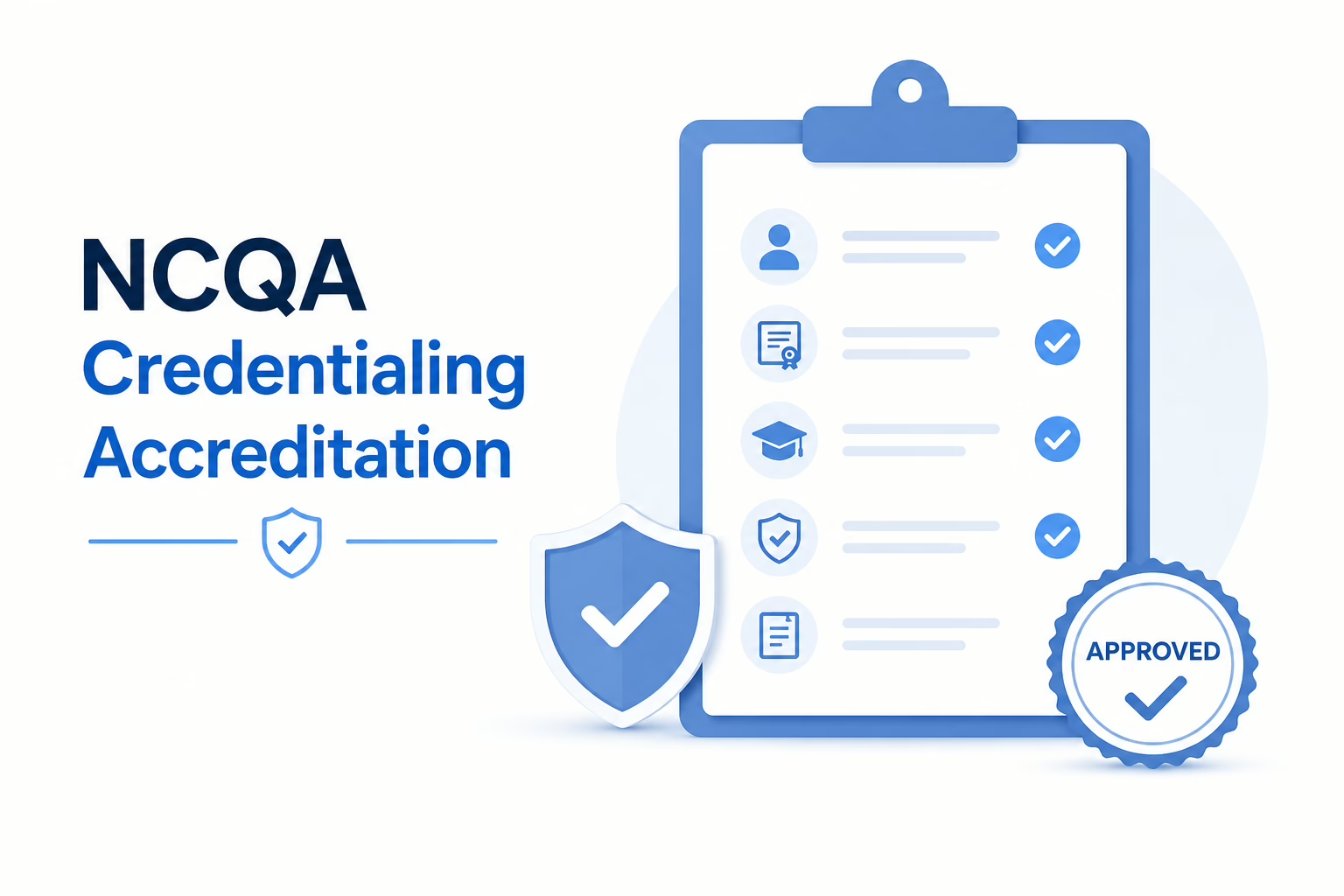
NCQA credentialing accreditation plays a critical role in improving healthcare quality, compliance, and operational efficiency. For practice managers and healthcare administrators, NCQA credentialing accreditation directly impacts provider onboarding, payer enrollment, and long-term revenue cycle performance.
In a competitive and highly regulated environment, healthcare organizations must demonstrate consistent quality standards. Accreditation helps validate that your processes meet industry benchmarks while reducing compliance risks.
Understanding the Role of NCQA in Healthcare
The National Committee for Quality Assurance (NCQA) is a leading non-profit organization focused on improving healthcare quality and transparency. It sets standardized guidelines that help organizations deliver safe, effective, and patient-centered care.
By following NCQA standards, practices can align their credentialing and compliance processes with nationally recognized best practices. This creates a structured approach to managing provider data, verifying qualifications, and maintaining regulatory compliance.
Key Benefits of NCQA Credentialing Accreditation
NCQA accreditation is not just a certification—it delivers measurable operational and financial advantages. Healthcare organizations that achieve accreditation often experience:
- Streamlined Credentialing Processes: Reduces delays in verifying provider qualifications and improves onboarding timelines
- Faster Payer Enrollment: Simplifies insurance enrollment, helping providers start billing sooner
- Improved Patient Safety: Ensures providers meet strict qualification and compliance standards
- Stronger Payer Relationships: Builds trust with insurance networks and regulatory bodies
- Simplified Compliance Management: Aligns with requirements for Medicare, Medicaid, and commercial payers
- Enhanced Organizational Credibility: Demonstrates commitment to quality and operational excellence
To support these improvements, practices should also ensure all credentialing documents are complete and consistently maintained.
NCQA Programs for Credentialing Excellence
NCQA offers specialized programs designed to strengthen credentialing operations and improve compliance:
- NCQA Credentialing Accreditation: A comprehensive evaluation of credentialing processes, including verification, application review, and ongoing monitoring
- NCQA Credentialing Verification Organization (CVO) Certification: Designed for organizations that provide credentialing verification services, focusing on accuracy and efficiency
Both programs require a detailed review of workflows, documentation, and data management systems. Organizations must demonstrate consistent compliance with established standards to achieve certification.
Operational Impact on Healthcare Practices
NCQA credentialing accreditation directly influences healthcare credentialing workflows, provider enrollment efficiency, and revenue cycle management.
When credentialing processes are structured and compliant, providers can be onboarded faster, reducing delays in billing and improving cash flow. This also minimizes payer delays and reduces the risk of claim denials caused by incomplete or inaccurate provider data.
Practices that strengthen their credentialing systems also focus on reducing payer enrollment delays to improve claim approvals and revenue flow.
Common Challenges in Achieving Accreditation
Many organizations face challenges when working toward accreditation, particularly in maintaining consistent documentation and aligning workflows with NCQA standards.
Common issues include fragmented data systems, lack of centralized credential tracking, and insufficient staff training. These gaps can lead to credentialing delays, compliance risks, and operational inefficiencies.
Without a structured approach, these challenges can impact both provider performance and financial outcomes.
Best Practices for Successful NCQA Implementation
Healthcare organizations can improve their chances of achieving accreditation by adopting a proactive strategy:
- Develop standardized credentialing workflows across all departments
- Use technology to automate tracking, verification, and compliance monitoring
- Train staff regularly on credentialing and regulatory requirements
- Conduct internal audits to identify and address gaps early
- Maintain accurate and updated provider data across all systems
These practices help ensure long-term compliance and operational stability.
Strengthen Your Practice with NCQA Standards
NCQA credentialing accreditation is a powerful tool for improving compliance, efficiency, and patient care quality. By aligning your processes with NCQA standards, your organization can reduce delays, enhance provider onboarding, and strengthen revenue cycle performance.
A structured credentialing approach not only minimizes risks but also builds trust with payers, patients, and regulatory bodies. If your practice is ready to optimize credentialing and achieve accreditation, contact eClinicAssist today for expert guidance and support.