
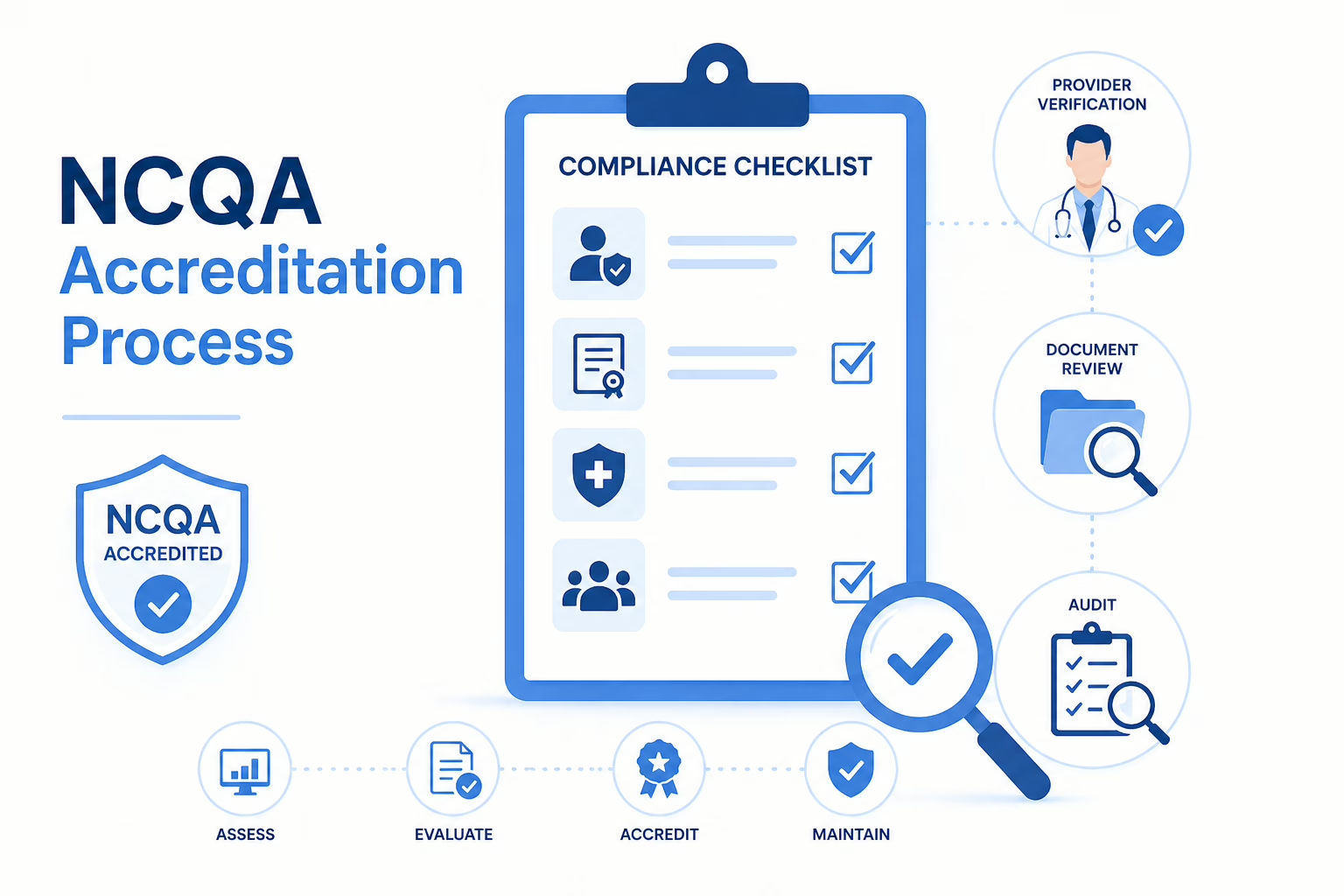
The NCQA accreditation process is a critical pathway for healthcare organizations aiming to improve quality, compliance, and operational efficiency. For practice managers and healthcare administrators, the NCQA accreditation process directly impacts credentialing workflows, provider enrollment speed, and overall revenue cycle performance.
In today’s healthcare environment, meeting recognized standards is essential for building trust with patients, payers, and regulatory bodies.
Understanding the NCQA Accreditation Process
The National Committee for Quality Assurance (NCQA) is a leading organization focused on improving healthcare quality and transparency. It provides structured accreditation programs that evaluate how effectively healthcare organizations manage credentialing, compliance, and patient care.
The NCQA accreditation process is designed to ensure that organizations follow best practices in verifying provider qualifications, maintaining accurate data, and delivering safe, patient-centered care.
Key Areas Evaluated in the NCQA Accreditation Process
NCQA evaluates multiple operational areas to ensure consistency and quality. These include:
- Policies and Procedures: Establishing clear workflows for credentialing and compliance
- Quality Improvement Programs: Monitoring and improving care outcomes continuously
- Licensure Verification: Ensuring provider credentials are valid and up to date
- Data Privacy and Security: Protecting sensitive provider and patient information
- Credentialing and Training Verification: Confirming provider qualifications and expertise
- Ongoing Monitoring: Tracking sanctions, complaints, and compliance updates
- Recredentialing Cycles: Maintaining provider eligibility over time
These areas ensure that healthcare credentialing is both accurate and continuously maintained.
To support these processes, practices should also ensure all credentialing documents are complete and consistently maintained.
Step-by-Step: Navigating the NCQA Accreditation Process
The NCQA accreditation process requires a structured and well-coordinated approach:
- Review NCQA Standards: Understand all requirements related to compliance and credentialing
- Conduct Internal Assessment: Identify gaps in current workflows and documentation
- Align Operational Processes: Update systems and policies to meet NCQA guidelines
- Submit Application: Begin the formal accreditation process
- Participate in Survey: Undergo a detailed virtual or on-site evaluation
- Receive Accreditation Decision: NCQA provides results and feedback after review
- Maintain Ongoing Compliance: Continuously monitor and update processes to stay compliant
This process requires collaboration between credentialing, compliance, and administrative teams to ensure accuracy and efficiency.
Operational Benefits of the NCQA Accreditation Process
Healthcare organizations that complete the NCQA accreditation process gain measurable advantages. These include faster provider onboarding, improved compliance, and reduced administrative workload.
Accreditation also strengthens payer relationships by demonstrating adherence to recognized standards. This leads to smoother insurance enrollment and fewer delays in reimbursement.
Practices that improve their credentialing systems also focus on reducing payer enrollment delays to improve claim approvals and revenue flow.
Common Challenges in the Accreditation Process
Many organizations face challenges during the NCQA accreditation process, especially in maintaining consistent documentation and aligning workflows with evolving standards.
Issues such as fragmented data systems, lack of centralized credential tracking, and insufficient staff training can create delays and compliance risks. These challenges can also impact medical billing workflows and overall operational efficiency.
Best Practices for a Successful NCQA Accreditation Process
To successfully navigate the NCQA accreditation process, healthcare organizations should:
- Develop standardized credentialing workflows across departments
- Use technology to automate tracking and compliance monitoring
- Train staff regularly on credentialing and regulatory requirements
- Conduct internal audits to identify and fix gaps early
- Maintain accurate and updated provider data across all systems
These strategies help ensure long-term compliance and operational stability.
Build a Strong Foundation with NCQA Standards
The NCQA accreditation process is essential for healthcare organizations committed to quality, compliance, and efficiency. By aligning operations with NCQA standards, practices can reduce credentialing delays, improve provider onboarding, and strengthen revenue cycle management.
A structured approach to accreditation not only improves internal processes but also builds trust with payers and patients. If your organization is ready to streamline credentialing and achieve accreditation, contact eClinicAssist today for expert support.