
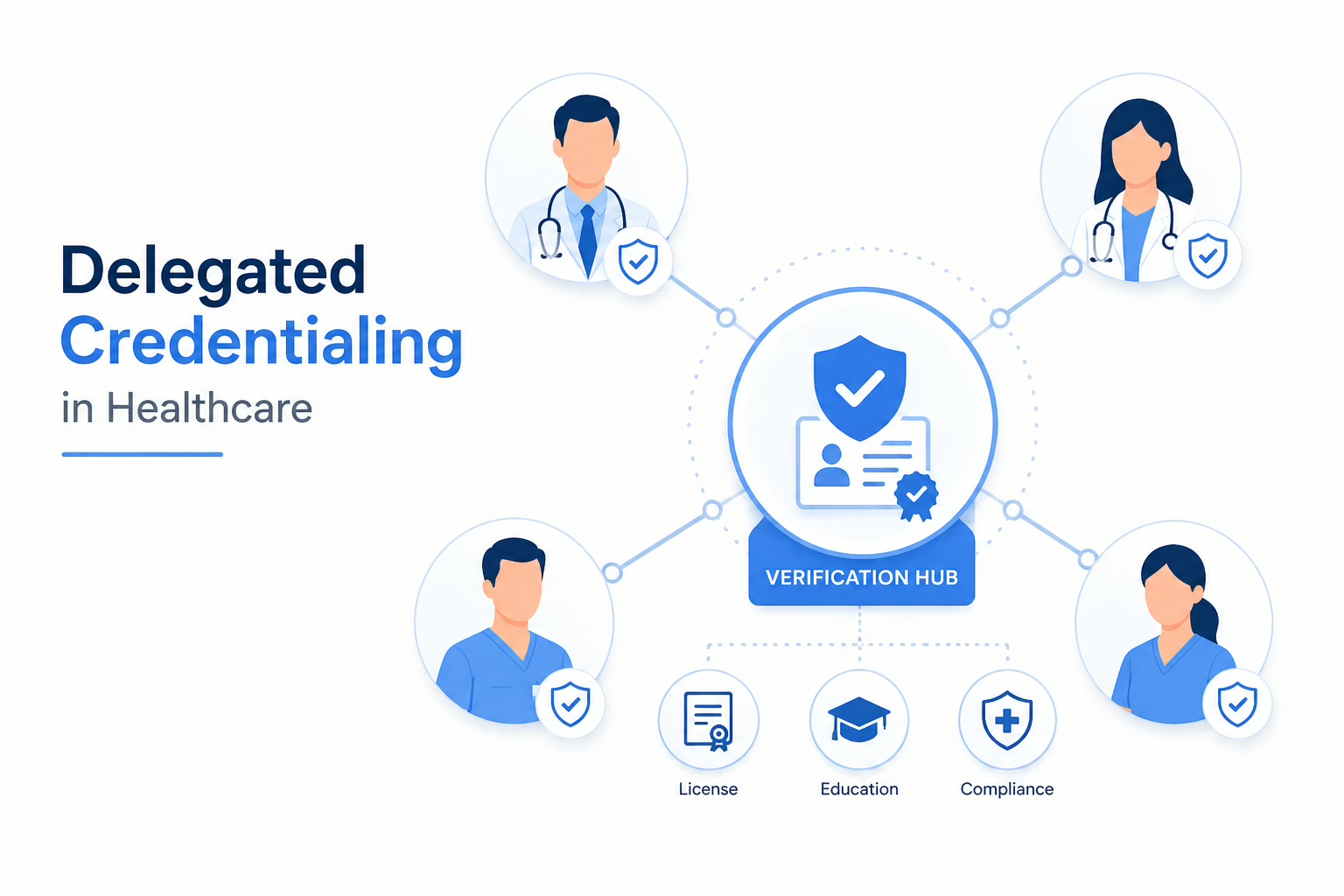
Delegated credentialing in healthcare is a process where one organization authorizes another entity to perform provider credentialing on its behalf. For practice managers and healthcare administrators, delegated credentialing in healthcare can significantly improve efficiency, reduce administrative burden, and accelerate provider onboarding.
In simple terms, instead of every payer handling credentialing separately, a trusted entity—such as a hospital or credentialing partner—verifies provider qualifications and makes decisions for multiple organizations.
How Delegated Credentialing Works
In a typical setup, a health plan or payer delegates credentialing responsibilities to a qualified organization. This entity then handles primary source verification, provider enrollment validation, and compliance checks according to payer standards.
The delegated organization must follow strict guidelines set by regulatory bodies like NCQA and maintain detailed documentation to ensure healthcare compliance and audit readiness.
Key Benefits of Delegated Credentialing in Healthcare
Delegated credentialing provides several operational and financial advantages for healthcare practices:
- Faster Provider Onboarding: Reduces delays by eliminating duplicate credentialing processes across multiple payers.
- Improved Operational Efficiency: Minimizes administrative workload and streamlines medical billing workflows.
- Enhanced Compliance: Ensures adherence to regulatory standards, including NCQA and Joint Commission requirements.
- Reduced Payer Delays: Speeds up insurance enrollment and network participation approvals.
- Cost Savings: Lowers the need for additional internal credentialing staff and resources.
- Scalability: Supports growth by efficiently managing large volumes of providers.
Practices using structured systems also focus on reducing payer enrollment delays to improve approvals and revenue flow.
Risks and Challenges to Consider
While delegated credentialing improves efficiency, it also introduces important risks that practices must manage carefully:
- Loss of Direct Control: Organizations rely on external partners, reducing internal oversight.
- Dependency on Third Parties: Delays or errors from the delegated entity can impact your operations.
- Increased Liability: Credentialing decisions carry legal responsibility, not just administrative verification.
- Complex Reporting Requirements: Regular reporting to payers is mandatory and must remain accurate.
- Audit and Compliance Pressure: Delegated entities must pass frequent audits and maintain strict documentation standards.
Understanding these risks is critical before implementing a delegated model.
Step-by-Step: How to Implement Delegated Credentialing
A successful delegated credentialing strategy requires a structured approach:
- Evaluate Organizational Needs: Determine if your practice handles a high volume of provider enrollment or faces credentialing delays.
- Select a Qualified Partner: Choose a credentialing organization with proven compliance and industry experience.
- Define Roles and Responsibilities: Clearly outline responsibilities between your practice and the delegated entity.
- Establish Compliance Standards: Ensure alignment with NCQA and payer-specific requirements.
- Implement Monitoring Systems: Track credentialing performance, turnaround times, and compliance metrics.
- Conduct Regular Audits: Review processes to ensure accuracy, consistency, and regulatory adherence.
To strengthen your approach, it’s important to understand how credentialing workflows prevent delays and ensure compliance.
Impact on Revenue Cycle Management
Delegated credentialing in healthcare directly affects revenue cycle management. Faster credentialing means providers can begin billing sooner, reducing delays in cash flow and improving financial performance.
When credentialing is handled efficiently, practices experience fewer claim denials, reduced rework, and smoother insurance enrollment processes. This leads to stronger financial stability and better operational outcomes.
Is Delegated Credentialing Right for Your Practice
Delegated credentialing works best for organizations managing multiple providers, expanding networks, or dealing with high credentialing volumes. It is especially beneficial for practices facing repeated payer delays or struggling with internal resource limitations.
However, success depends on choosing the right partner and maintaining strong oversight to ensure compliance and accuracy.
Streamline Credentialing with the Right Strategy
Delegated credentialing in healthcare offers a powerful way to improve efficiency, reduce delays, and strengthen compliance. By outsourcing credentialing responsibilities to a qualified partner, practices can focus on patient care while maintaining high operational standards.
If your practice is ready to optimize credentialing and eliminate administrative bottlenecks, contact eClinicAssist today for expert support.