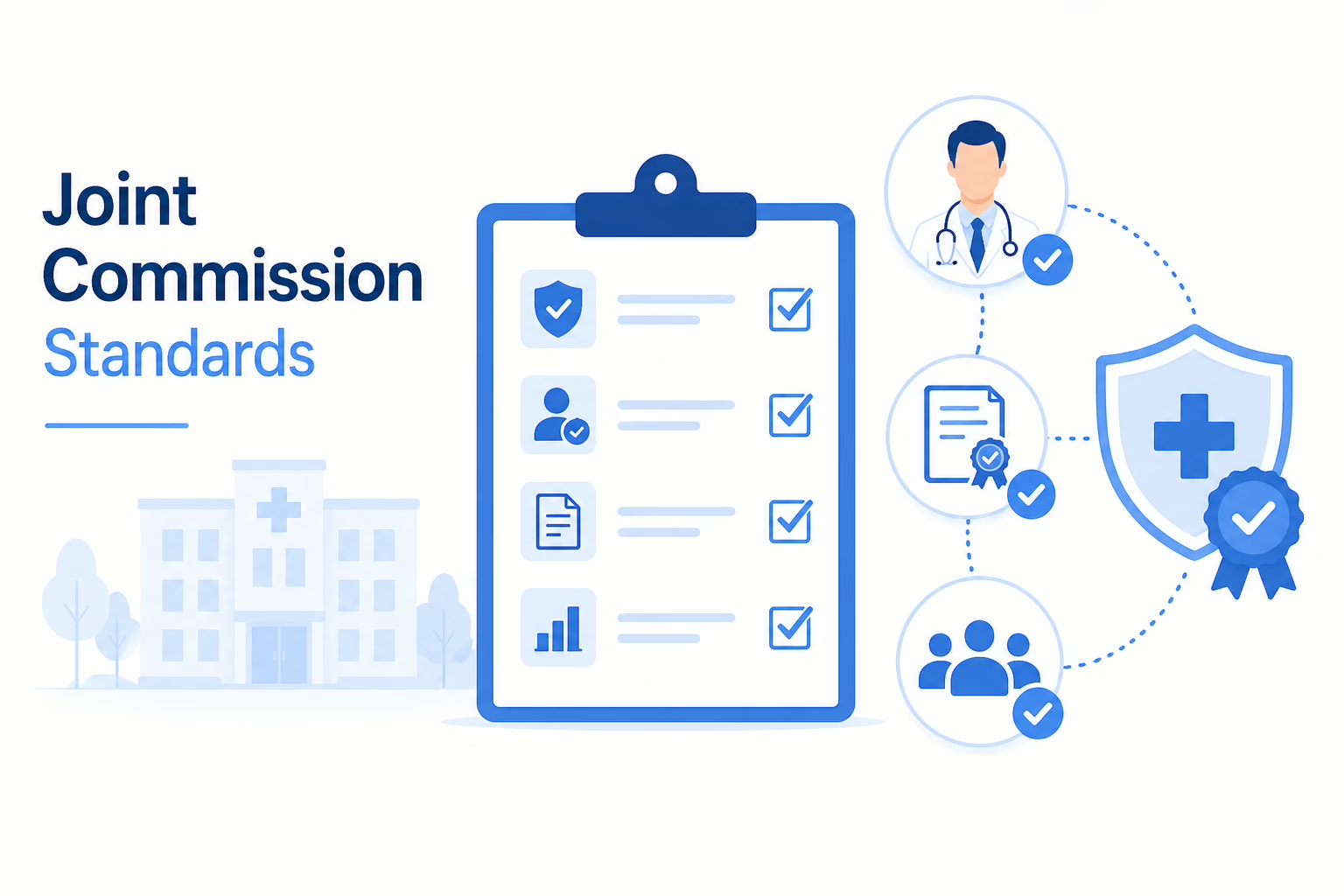
Joint Commission credentialing standards play a critical role in ensuring patient safety, regulatory compliance, and operational excellence. For practice managers and healthcare administrators, Joint Commission credentialing standards directly impact provider qualification, healthcare compliance, and revenue cycle stability.
In today’s healthcare environment, meeting these standards is not optional—it is essential for maintaining trust, avoiding penalties, and delivering high-quality care.
Understanding The Joint Commission’s Role
The Joint Commission is one of the most respected healthcare accreditation bodies in the United States. It establishes strict guidelines that healthcare organizations must follow to ensure safe and effective patient care.
Its focus on credentialing ensures that only qualified providers deliver care. This involves verifying education, training, licensure, and professional history to maintain a competent healthcare workforce.
Key Areas Covered Under Joint Commission Standards
Joint Commission credentialing standards extend across multiple operational areas, ensuring consistency and quality in healthcare delivery:
- Patient Safety and Quality of Care: Focus on safe treatment practices, infection control, and medication management
- Credentialing and Staff Qualifications: Verification of provider education, training, and competency
- Performance Improvement: Continuous monitoring and enhancement of healthcare outcomes
- Emergency Preparedness: Ensuring readiness for unexpected clinical and operational situations
- Compliance and Documentation: Maintaining accurate and updated records for audits and reviews
These areas ensure that healthcare organizations operate with accountability and maintain high standards at every level.
To support compliance, practices should also ensure all credentialing documents are complete and consistently maintained.
How the Credentialing Process Works
The credentialing process under Joint Commission standards is detailed and evidence-based. It ensures that providers meet all regulatory and clinical requirements before delivering care.
Key components of the process include:
- Primary Source Verification: Direct confirmation of licenses, certifications, and education
- Peer Review and Evaluation: Assessing provider competency and clinical performance
- Ongoing Monitoring: Tracking sanctions, disciplinary actions, and compliance updates
- Recredentialing Cycles: Regular review of provider qualifications to maintain standards
This structured approach reduces risks and ensures consistent quality across healthcare services.
Operational Impact on Healthcare Practices
Joint Commission credentialing standards significantly influence healthcare credentialing workflows, provider enrollment, and medical billing processes.
When credentialing is accurate and compliant, providers can be onboarded faster, reducing delays in insurance enrollment and improving revenue cycle management. This minimizes payer delays and helps maintain steady cash flow.
Practices that strengthen their credentialing systems also focus on reducing payer enrollment delays to improve claim approvals and revenue flow.
Common Challenges in Maintaining Compliance
Healthcare organizations often face challenges in meeting Joint Commission standards due to complex documentation requirements and evolving regulations.
Common issues include outdated provider data, inconsistent credential tracking, and lack of centralized systems. These gaps can lead to compliance risks, claim denials, and operational disruptions.
Without proper systems in place, practices may struggle to maintain consistency across departments.
Best Practices for Staying Compliant
To effectively meet Joint Commission credentialing standards, healthcare organizations should adopt a proactive approach:
- Implement centralized credentialing systems for better tracking
- Use automation tools to manage renewals and compliance updates
- Conduct regular internal audits to identify gaps
- Train staff on credentialing requirements and regulatory updates
- Maintain accurate and updated provider data across all platforms
These strategies help reduce errors, improve efficiency, and ensure long-term compliance.
Build a Culture of Compliance and Quality
Joint Commission credentialing standards are essential for maintaining patient safety, improving operational efficiency, and ensuring regulatory compliance. By aligning your credentialing processes with these standards, your organization can reduce risks, improve provider onboarding, and strengthen revenue cycle performance.
A proactive approach to compliance not only protects your practice but also builds trust with patients and payers. If your organization needs expert support in managing credentialing and compliance, contact eClinicAssist today to streamline your processes and achieve operational excellence.