
Individual vs group credentialing is a critical decision that directly impacts how healthcare providers enroll with payers and manage their billing workflows. Understanding individual vs group credentialing helps practice managers and providers avoid delays, improve flexibility, and protect long-term revenue.
For healthcare administrators, choosing the right approach affects provider enrollment, healthcare credentialing timelines, and overall revenue cycle management.
Why Credentialing Structure Matters for Your Practice
Credentialing is not just a compliance requirement—it determines how quickly providers can start billing and how efficiently your practice operates.
Choosing the wrong structure can lead to:
-
Delayed provider onboarding
-
Payer enrollment issues
-
Billing disruptions and denied claims
-
Increased administrative workload
-
Lost revenue due to slow approvals
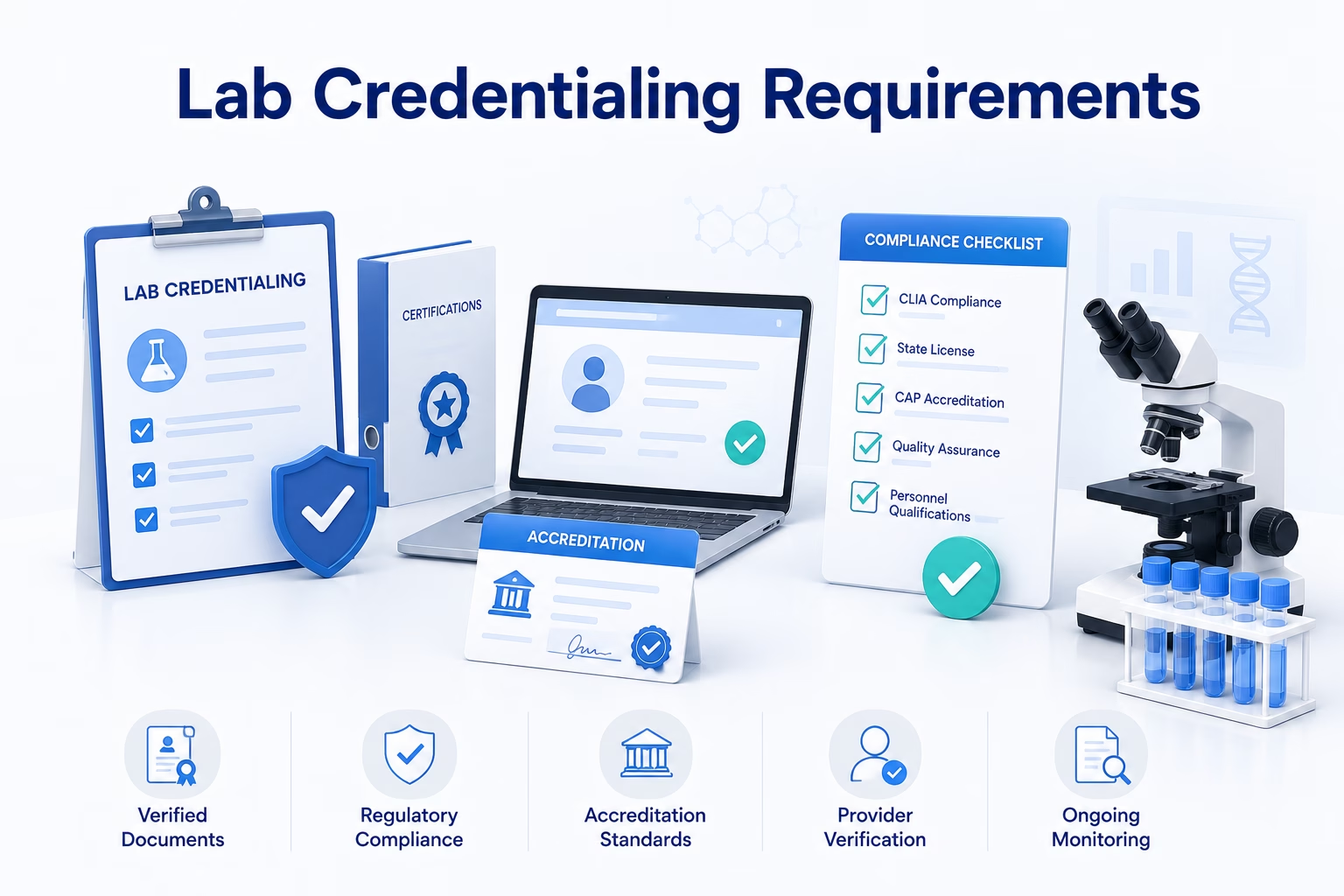
Many of these issues arise when practices don’t fully understand how the provider credentialing process works across different models.
Individual Credentialing: Flexibility and Portability
Individual credentialing means providers are enrolled under their own Tax Identification Number (TIN). This model is often preferred by independent providers or those planning long-term career mobility.
Key Advantages
Portability Across Practices
Credentials belong to the provider, not the organization. This allows seamless transitions between practices without restarting the entire process.
Greater Practice Flexibility
Providers can work with multiple organizations or locations without being tied to a single group contract.
Specialty-Specific Credentialing
Insurance companies credential providers based on their exact qualifications, ensuring alignment with their expertise.
However, individual credentialing can require more administrative effort, especially if documentation is not properly maintained, which is why having accurate provider credentialing documents is essential to avoid delays.
Group Credentialing: Efficiency for Growing Practices
Group credentialing enrolls providers under a practice’s TIN. This approach is commonly used by clinics, group practices, and healthcare organizations.
Key Advantages
Centralized Application Process
All providers are submitted under one system, simplifying administrative workflows.
Faster Initial Setup for Practices
Group credentialing can streamline onboarding when adding multiple providers at once.
Standardized Compliance Management
Credentialing, enrollment, and billing processes are managed at the organizational level.
Limitations to Consider
-
Credentials are tied to the practice, not the provider
-
Providers must re-credential when leaving the group
-
Less flexibility for independent practice opportunities
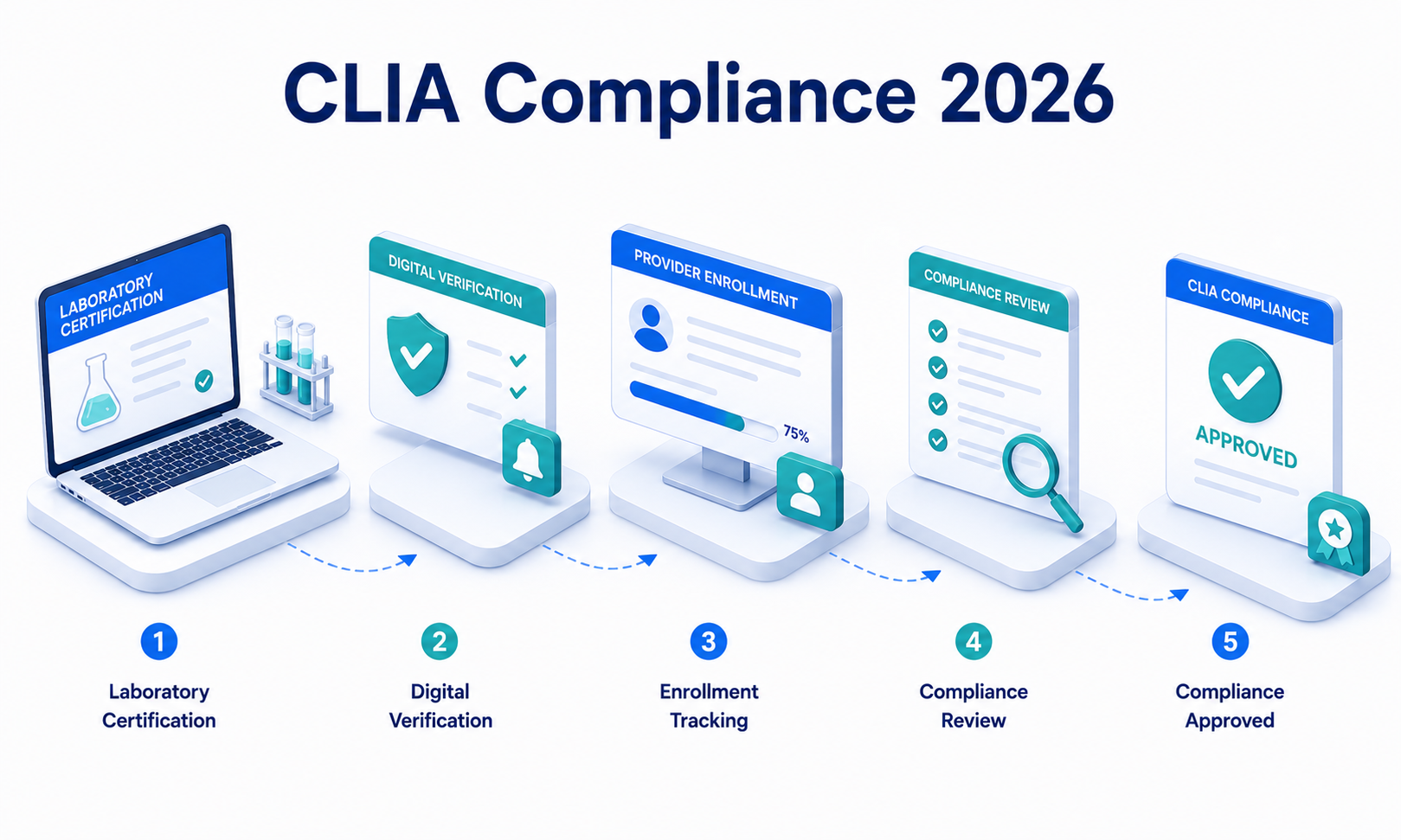
Additionally, delays in group credentialing can impact multiple providers at once, making it critical to manage enrollment workflows efficiently and avoid payer bottlenecks—something many practices address by focusing on how to reduce payer enrollment delays using proven strategies.
Step-by-Step: Choosing Between Individual vs Group Credentialing
1. Evaluate Your Practice Structure
Determine whether your setup is:
-
Solo provider
-
Multi-provider group
-
Expanding organization
Solo providers often benefit from individual credentialing, while larger practices lean toward group models.
2. Define Long-Term Goals
Consider whether providers plan to:
-
Stay within one organization
-
Work across multiple locations
-
Transition between practices
If flexibility is important, individual credentialing is often the better option.
3. Assess Administrative Capacity
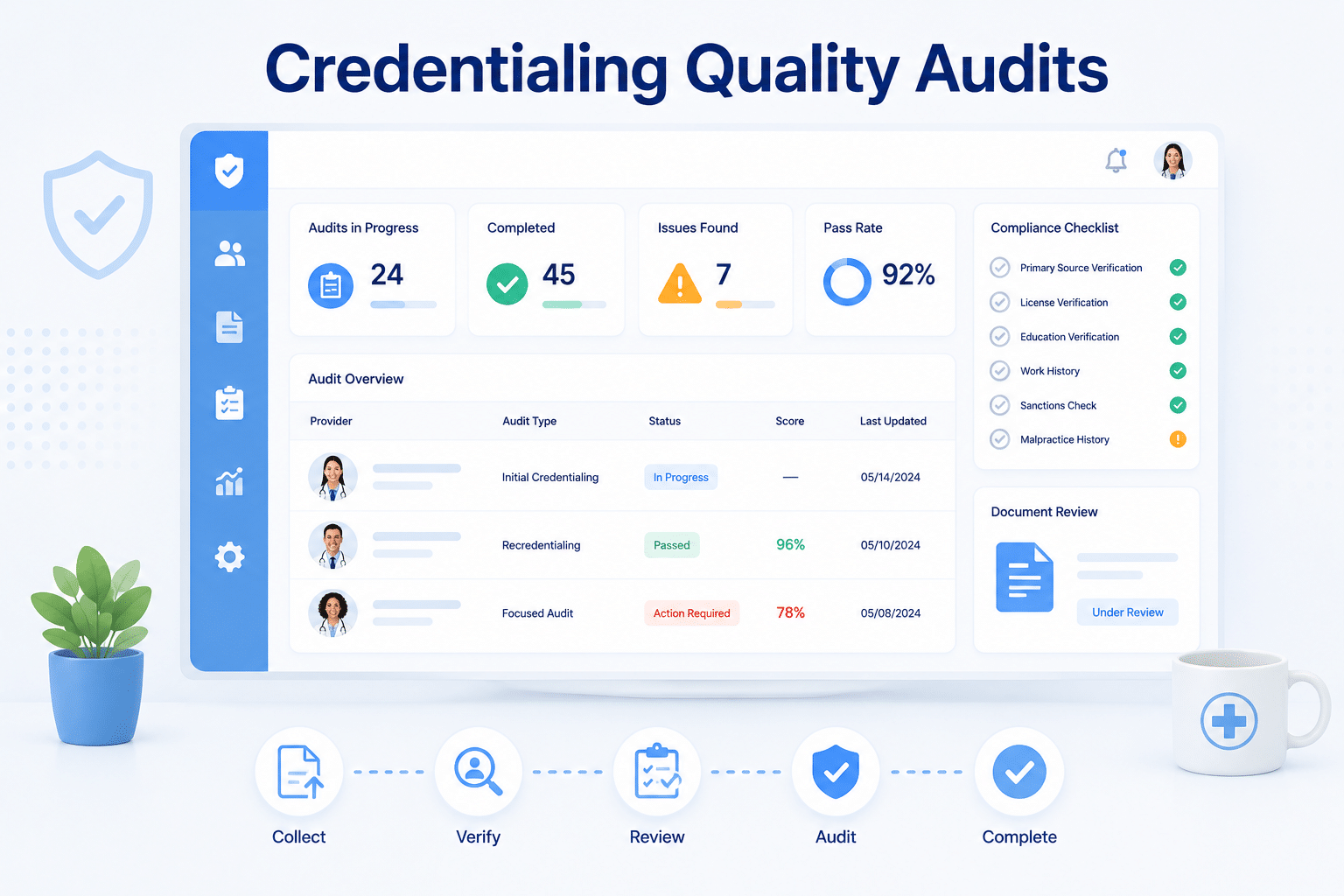
Credentialing requires ongoing maintenance, including updates, compliance checks, and document tracking. If your practice has limited administrative support, group credentialing may simplify operations.
4. Analyze Revenue Cycle Impact
Credentialing directly affects billing timelines. Delays in enrollment or credentialing can prevent claims submission, disrupt cash flow, and increase accounts receivable. Choose the model that minimizes delays and supports efficient revenue cycle management.
5. Consider a Hybrid Approach
Many practices adopt a hybrid strategy—providers maintain individual credentials while affiliating with a group TIN.
This approach offers:
-
Portability and flexibility
-
Faster onboarding within groups
-
Reduced long-term risk
Best Practices for Credentialing Success
-
Maintain updated provider documentation at all times
-
Standardize credentialing workflows across teams
-
Monitor payer requirements regularly
-
Align credentialing with billing and compliance teams
-
Track application timelines to prevent delays
A proactive approach helps avoid rework, improves approval timelines, and strengthens operational efficiency.
Real-World Impact of Choosing the Wrong Model
Selecting the wrong credentialing structure can create long-term challenges.
Practices often face:
-
Delayed provider onboarding
-
Increased denial rates
-
Billing interruptions
-
Revenue loss due to enrollment delays
-
Operational inefficiencies across teams
These issues compound over time, especially in growing practices.
Make the Right Credentialing Decision for Growth
Individual vs group credentialing is not just a structural choice—it’s a strategic decision that impacts your flexibility, efficiency, and revenue. Practices that understand individual vs group credentialing and align it with their operational goals can reduce delays, improve enrollment timelines, and optimize their revenue cycle.
If you’re unsure which approach is best or struggling with credentialing delays, eClinicAssist provides expert support to streamline credentialing, manage enrollment, and improve overall practice performance. Contact us today to simplify your credentialing process and focus on delivering quality patient care.