The credentialing timeline is one of the most critical factors affecting healthcare operations and revenue. Without understanding the credentialing timeline, practices often face delays in provider enrollment, disruptions in medical billing workflows, and lost revenue opportunities.
For practice managers, healthcare providers, and clinic owners, credentialing is not just an administrative task—it directly determines how quickly providers can see patients and generate revenue.
Why Credentialing Takes Time
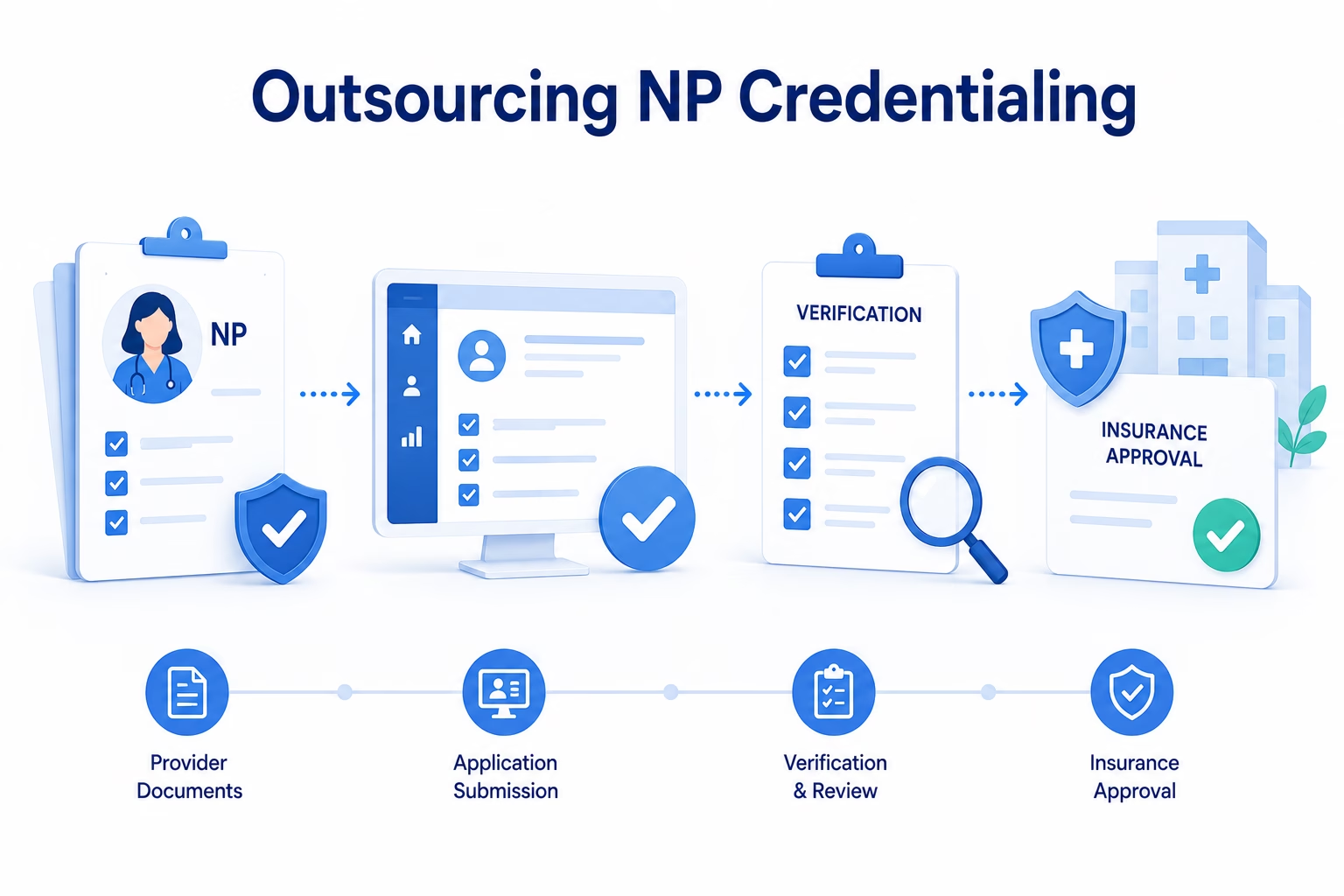
Credentialing is a multi-step verification process designed to ensure healthcare compliance, patient safety, and provider qualification accuracy.
Each step involves validation from external sources such as medical schools, licensing boards, and regulatory agencies. Because these entities operate independently, delays are common and often unavoidable.
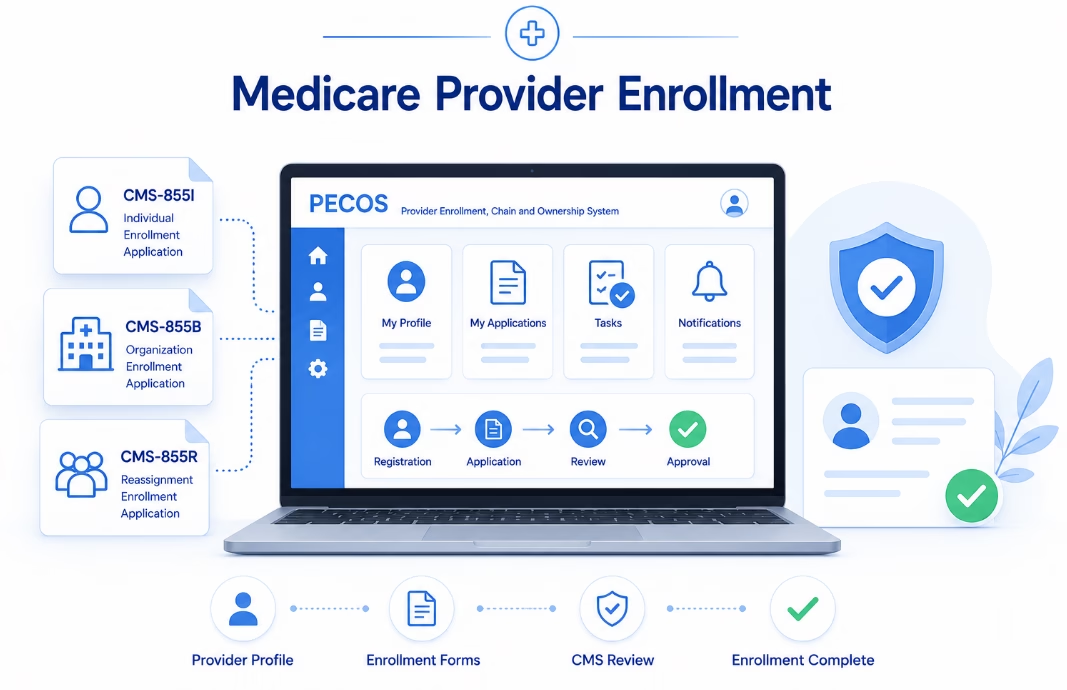
In addition, payer enrollment adds another layer of complexity. Understanding how the payer enrollment process impacts billing timelines and approvals is essential for managing expectations and avoiding revenue disruptions.
Breaking Down the Credentialing Timeline
While timelines vary, most healthcare practices can expect credentialing to take anywhere from 60 to 120 days, depending on provider complexity and payer requirements.
1. Application and Documentation (1–2 Weeks)
The process begins with gathering provider information and submitting applications. Accuracy is critical at this stage, as incomplete submissions are one of the biggest causes of delays.
2. Primary Source Verification (4–6 Weeks)
This is the most time-intensive phase. Credentialing teams verify education, licenses, certifications, and work history directly from issuing organizations.
3. Background Checks (1–5 Days)
Criminal and compliance checks are typically completed quickly, but any flagged issues can extend the timeline significantly.
4. Reference Verification (Variable)
Delays often occur here due to slow responses from references. This step is unpredictable and can impact the overall timeline.
5. Credentialing Committee Review (2–4 Weeks)
Once verification is complete, the application is reviewed internally to ensure compliance with organizational and regulatory standards.
6. Insurance Enrollment (6–12 Weeks)
After credentialing approval, providers must enroll with payers. This step often takes the longest due to contract negotiations and payer-specific requirements.
What Causes Credentialing Delays
Even though credentialing follows a structured process, delays are common due to preventable issues. The most frequent causes include incomplete applications, inconsistent provider data, expired documents, and lack of follow-up.
Many practices underestimate how small errors can impact timelines. Learning how to prevent credentialing delays and improve approval timelines helps reduce these risks and ensures smoother operations.
Step-by-Step: How to Improve Your Credentialing Timeline
1. Start Early Before Provider Onboarding
Credentialing should begin as soon as a provider is hired. Waiting until the last minute leads to unavoidable delays.
2. Maintain Accurate and Updated Documentation
Ensure all provider documents are current, complete, and consistent across systems such as CAQH and payer applications.
3. Standardize Internal Credentialing Workflows
Create a structured process for document collection, submission, and follow-up to reduce errors and improve efficiency.
4. Use Technology for Tracking and Automation
Credentialing software can help track applications, monitor deadlines, and reduce manual errors.
5. Follow Up Regularly with Payers
Proactive follow-ups help identify issues early and prevent applications from being stalled or overlooked.
6. Align Credentialing with Revenue Cycle Planning
Credentialing should be integrated into your revenue cycle strategy to avoid gaps in billing and cash flow.
How Credentialing Impacts Revenue Cycle Management
The credentialing timeline directly affects your ability to generate revenue. When credentialing is delayed, providers cannot bill for services, leading to claim delays, increased accounts receivable, and unstable cash flow.
Over time, these issues can create operational inefficiencies and limit practice growth. A well-managed credentialing timeline ensures that providers are onboarded quickly and revenue cycles remain consistent.
Real-World Impact on Healthcare Practices
Consider a scenario where a new provider joins your practice but is not credentialed for 90 days.
During this time, the provider may see patients, but claims cannot be submitted under insurance. This results in lost revenue, increased administrative work, and potential patient dissatisfaction.
Multiply this across multiple providers, and the financial impact becomes significant.
Best Practices for Long-Term Efficiency
To maintain a consistent and efficient credentialing timeline, practices should focus on proactive management. This includes maintaining accurate provider data, implementing standardized workflows, and continuously monitoring credentialing progress.
Practices that adopt a structured approach experience fewer delays, improved compliance, and better financial outcomes.
Take Control of Your Credentialing Timeline
The credentialing timeline is a critical factor in healthcare operations, affecting everything from provider onboarding to revenue cycle management.
By understanding the credentialing timeline and implementing proactive strategies, practices can reduce delays, improve provider enrollment, and maintain consistent cash flow.
If your practice is struggling with long credentialing timelines or payer delays, eClinicAssist provides expert support to streamline your credentialing process, ensure compliance, and accelerate approvals. Contact us today to optimize your credentialing and protect your revenue.