Medical malpractice risk reduction is essential for healthcare providers aiming to protect their practice, reputation, and revenue. For practice managers and administrators, medical malpractice risk reduction directly impacts compliance, patient safety, and long-term operational stability.
In today’s healthcare environment, even minor errors can lead to serious legal and financial consequences. A proactive approach is the only way to reduce exposure and maintain trust.
Why Malpractice Risk Is a Growing Concern
Medical malpractice claims continue to rise due to increased patient awareness, complex treatments, and regulatory scrutiny.
These claims not only result in financial loss but also damage provider reputation and disrupt medical billing workflows. Practices that fail to manage risk effectively often face claim denials, compliance audits, and increased insurance costs.
The Role of Medical Malpractice Insurance
Medical malpractice insurance acts as a financial safety net for healthcare providers. It covers legal defense costs, settlements, and claims related to patient harm caused by negligence.
However, insurance alone is not enough. Preventing incidents before they occur is far more effective than relying on coverage after a claim is filed.
Common Risk Factors Every Practice Must Watch
1. Poor Communication with Patients
Miscommunication is one of the leading causes of malpractice claims. When patients do not fully understand treatment plans, dissatisfaction increases.
2. Incomplete Documentation
Missing or inaccurate records weaken both patient care and legal defense. Proper documentation is critical for healthcare compliance and audits.
3. Credentialing Gaps and Provider Oversight
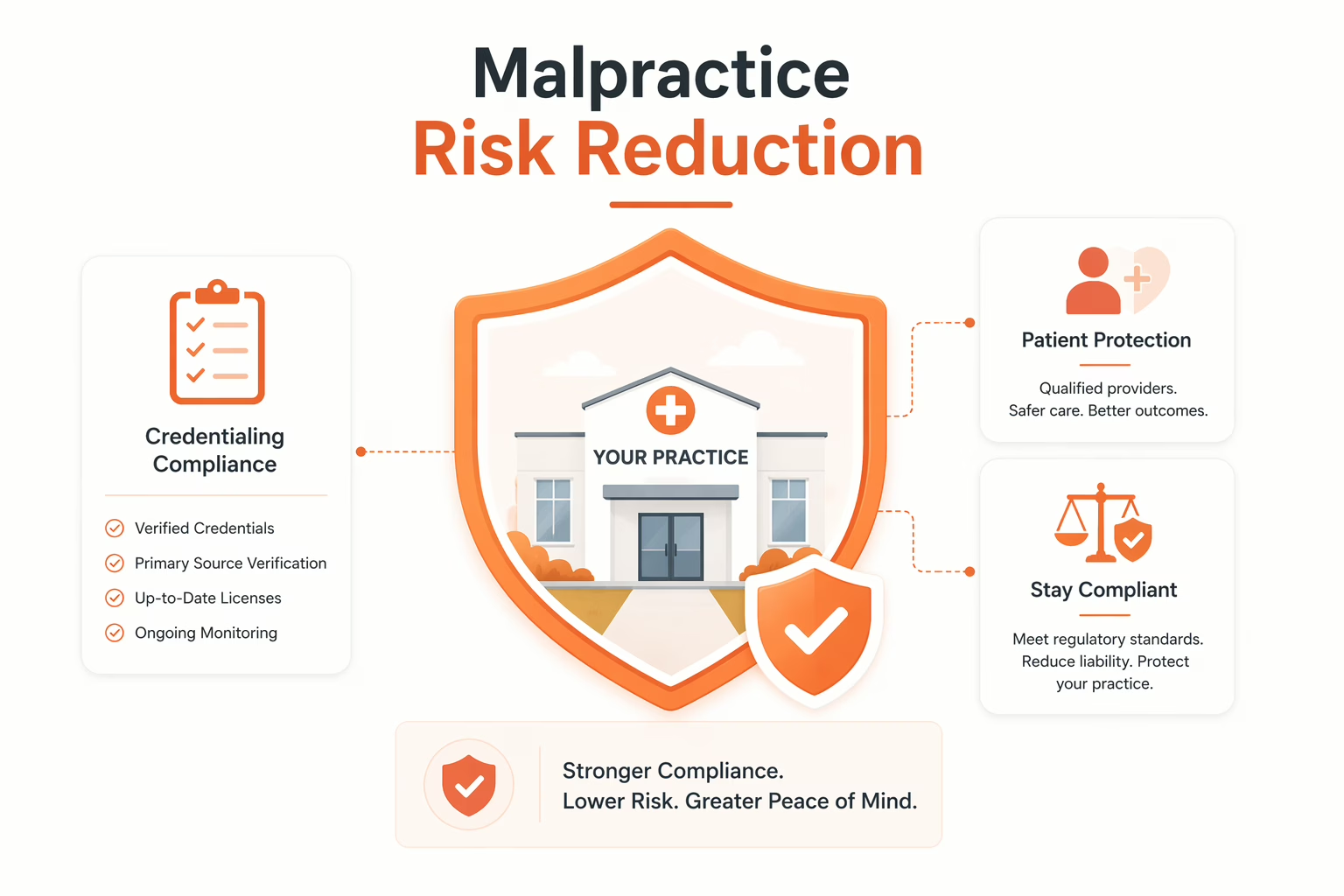
Failure to properly verify provider qualifications increases liability risks. Practices must ensure accurate credentialing and ongoing monitoring.
To strengthen this area, it’s important to understand how credentialing processes ensure compliance and reduce risk.
4. Lack of Standardized Procedures
Inconsistent workflows increase the likelihood of errors. Standardization improves safety and efficiency.
Step-by-Step: Medical Malpractice Risk Reduction Strategies
1. Strengthen Patient Communication
Ensure all treatment plans, risks, and procedures are clearly explained. Document every interaction to maintain transparency and trust.
2. Maintain Accurate and Complete Records
Keep detailed records of diagnoses, treatments, medications, and patient responses. Proper documentation supports both care quality and legal protection.
3. Implement Strong Credentialing Practices
Verify provider qualifications thoroughly and monitor them regularly. This ensures only qualified professionals deliver care.
4. Standardize Clinical Workflows
Develop clear protocols for patient care, documentation, and treatment processes. Consistency reduces errors and improves outcomes.
5. Track Compliance and Deadlines
Monitor license renewals, certifications, and recredentialing timelines. Missing deadlines can lead to compliance risks and claim denials.
6. Use Technology to Improve Accuracy
Leverage electronic health records (EHRs) and automation tools to reduce manual errors and improve data accuracy.
7. Train Staff Regularly
Continuous training ensures staff stay updated on best practices, regulations, and risk management strategies.
Impact on Revenue Cycle Management
Medical malpractice risks are closely tied to revenue cycle management. Errors in documentation or credentialing can lead to claim denials, delayed reimbursements, and increased accounts receivable.
Practices must also focus on reducing payer enrollment delays to maintain consistent revenue flow.
A strong risk reduction strategy ensures smoother billing operations and faster payments.
Real-World Scenario: Preventing a Costly Error
A clinic hires a new provider with strong credentials but fails to verify a gap in work history. Later, a patient incident occurs, and the gap is linked to a prior disciplinary issue. This leads to legal complications and financial loss.
With proper verification and monitoring, this risk could have been identified and addressed early. This example shows how proactive credentialing and risk management protect both patients and the practice.
Why Proactive Risk Management Matters
Practices that focus on medical malpractice risk reduction experience fewer claims, improved compliance, and stronger financial stability. Ignoring risk factors leads to operational inefficiencies, legal exposure, and long-term revenue loss.
A structured approach ensures patient safety while supporting practice growth.
Build a Safer, Stronger Practice
Medical malpractice risk reduction is not just about avoiding lawsuits—it’s about building a safer and more efficient healthcare practice. By implementing strong communication, documentation, and credentialing processes, practices can significantly reduce risk and improve outcomes.
Without proactive strategies, even small mistakes can lead to major consequences.
If your practice wants to strengthen risk management and improve compliance, eClinicAssist can help. Our expert solutions streamline credentialing, reduce errors, and protect your revenue. Contact us today to get started with expert support.