
Payer relationship strategies are essential for healthcare practices aiming to improve revenue and operational efficiency. Without effective payer relationship strategies, practices often face payer delays, claim denials, and disruptions in revenue cycle management.
For practice managers, healthcare providers, and billing teams, building strong payer relationships is no longer optional—it directly impacts provider enrollment, medical billing workflows, and long-term financial stability.
Why Payer Relationships Matter More Than Ever
Healthcare is shifting toward value-based care, where outcomes and efficiency matter as much as services provided.
Payers are focused on:
- Cost control
- Quality outcomes
- Data transparency
- Performance metrics
When practices fail to align with these priorities, they often experience delays in credentialing, slow reimbursements, and increased administrative burden.
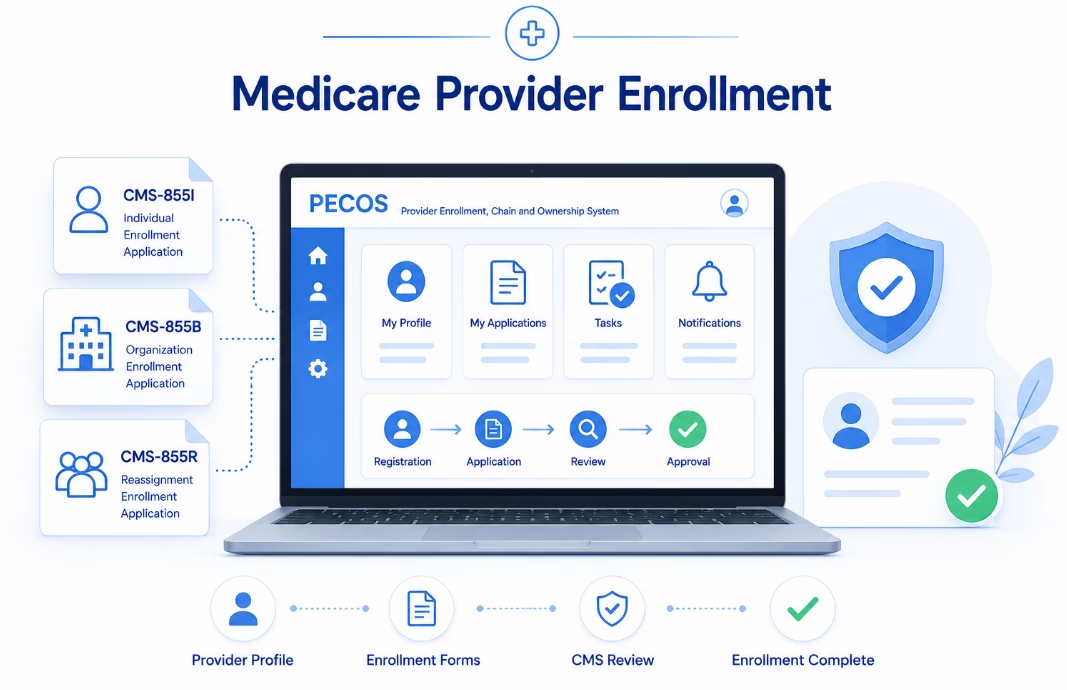
Many of these issues originate from weak communication and misalignment during enrollment. Understanding how payer enrollment processes impact approvals and timelines is critical to building stronger relationships and avoiding delays.
Understanding the Payer’s Perspective
To build strong partnerships, practices must understand how payers operate.
Payers evaluate:
- Cost-effectiveness of services
- Patient outcomes and quality metrics
- Risk management and compliance
- Efficiency in claims processing
For example, a national payer may prioritize scalability and data reporting, while a regional Medicaid plan may focus on community health outcomes and accessibility. Practices that understand these differences can tailor their approach and communicate more effectively.
Step-by-Step: Payer Relationship Strategies That Work
1. Establish Professional and Consistent Communication
Maintain a professional tone in all interactions, especially during negotiations and issue resolution. Consistent communication builds trust and improves response times.
2. Use Data to Strengthen Your Position
Data is one of your most powerful tools. Track and present metrics such as patient outcomes, claim acceptance rates, and treatment success. Demonstrating strong performance shows payers that your practice adds value to their network.
3. Align with Value-Based Care Goals
Payers are increasingly focused on outcomes rather than volume.
Align your practice with:
- Preventive care initiatives
- Chronic disease management
- Reduced readmission rates
This alignment strengthens your negotiating position and improves long-term collaboration.
4. Build a Strong Data-Sharing Strategy
Transparent and accurate data sharing is essential.
Ensure your systems support:
- Real-time reporting
- Accurate coding and billing
- Performance tracking
This helps reduce disputes, improve efficiency, and enhance payer trust.
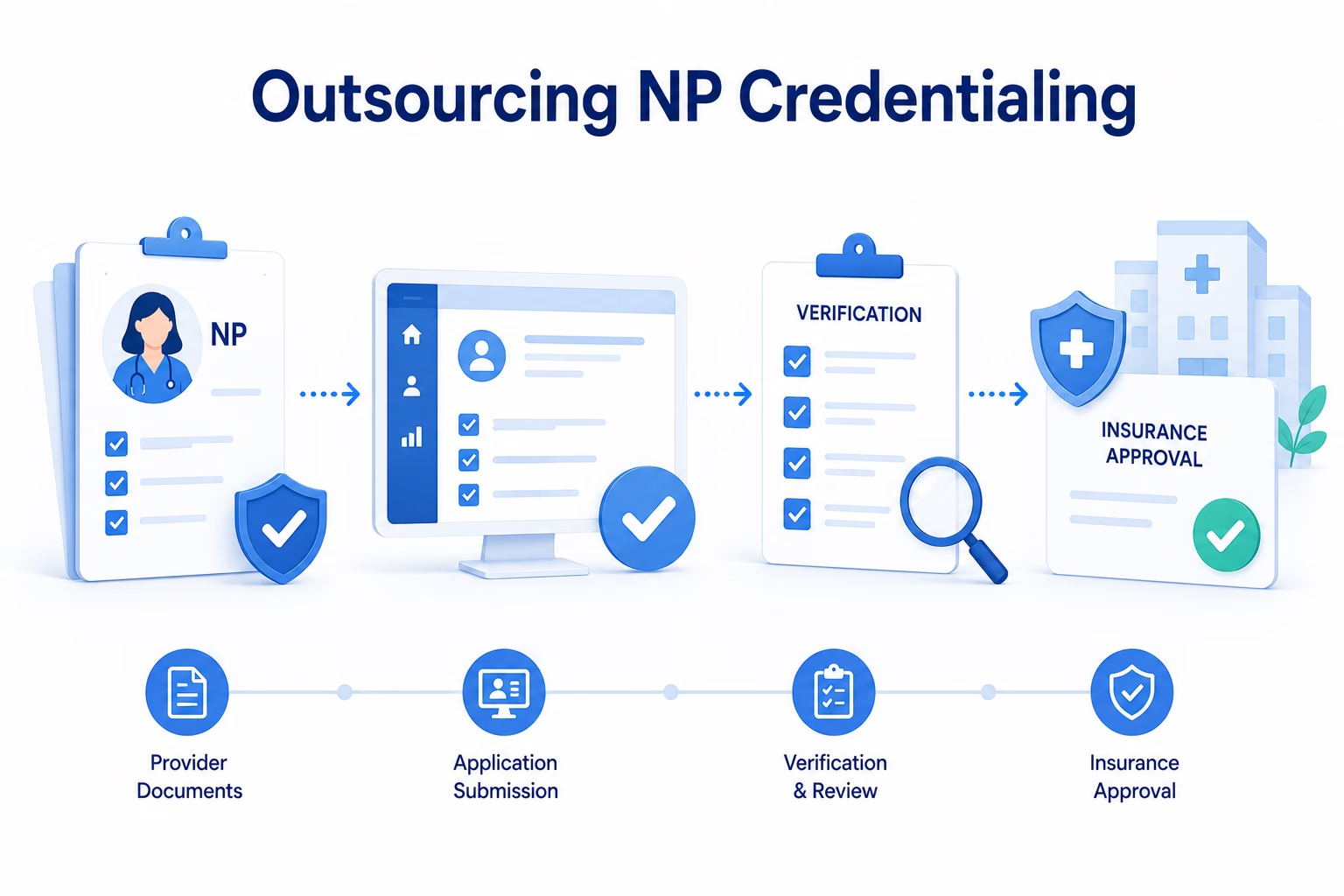
5. Streamline Credentialing and Enrollment Processes
Credentialing delays often damage payer relationships before they even begin.
Practices must ensure that all provider data is accurate, consistent, and submitted on time. Learning how to prevent credentialing delays and improve approval timelines is essential for maintaining strong payer partnerships.
6. Invest in Technology for Efficiency
Technology can significantly improve payer interactions.
Tools such as:
- Automated billing systems
- AI-driven coding validation
- Patient portals
help reduce errors, improve communication, and streamline workflows.
Common Mistakes That Weaken Payer Relationships
Many practices unintentionally damage payer relationships through:
- Poor communication or delayed responses
- Inaccurate or inconsistent data
- Lack of follow-up on claims or applications
- Failure to understand payer requirements
These mistakes often lead to claim denials, payment delays, and increased administrative workload.
Real-World Impact on Revenue Cycle Management
Weak payer relationships directly affect your bottom line.
Practices often experience:
- Increased claim denials
- Delayed reimbursements
- Higher accounts receivable
- Workflow inefficiencies
Over time, these issues create financial instability and limit practice growth.
The Power of Collaboration: A Long-Term Approach
Strong payer relationships are built on collaboration, not transactions.
Practices that treat payers as partners benefit from:
- Faster issue resolution
- Improved contract negotiations
- Better reimbursement outcomes
- Reduced administrative burden
This collaborative approach creates a more efficient healthcare ecosystem for both providers and patients.
Best Practices for Long-Term Success
To maintain strong payer relationships:
- Communicate proactively and consistently
- Monitor performance metrics regularly
- Stay updated on payer policies
- Address issues quickly and professionally
Consistency is key to building trust and long-term success.
Strengthen Your Payer Relationship Strategies
Payer relationship strategies are essential for improving revenue, reducing delays, and ensuring smooth healthcare operations. Practices that implement strong payer relationship strategies can enhance provider enrollment, streamline medical billing workflows, and achieve better financial outcomes.
If your practice is facing payer delays, enrollment challenges, or billing inefficiencies, eClinicAssist provides expert support to optimize payer relationships, streamline processes, and improve revenue cycle management. Contact us today to strengthen your partnerships and drive long-term success.